

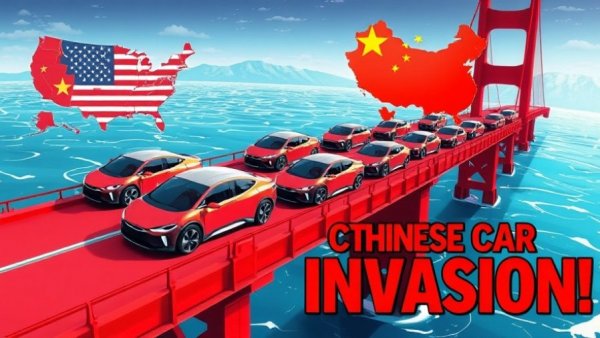
Has the Influx of Chinese Cars Raised Concerns?
In recent discussions surrounding the automotive industry, a crucial topic has emerged: the importation of Chinese electric vehicles into the United States. The case of Waymo, which has brought over 3,200 Zeekr electric vehicles to the country for self-driving taxi services, has sparked debates about corporate responsibility and transparency. Interestingly, while these vehicles make their way into the U.S. market, American consumers remain burdened by hefty tariffs on car imports from China.
In the video 'Has The Chinese Car Invasion Begun,' the discussion dives into the implications of Chinese electric vehicles entering the US market, exploring key insights that sparked deeper analysis on our end.
The Tariff Dilemma: Are Corporations Playing by Different Rules?
The fundamental question at hand is whether Waymo is paying tariffs comparable to those that average Americans would incur if importing a car from China. The silence from Waymo and Zeekr regarding the specific tariffs paid raises eyebrows. For the average individual, importing a vehicle often translates to a mountain of fees, but with corporations seemingly skipping over these obstacles, feelings of hypocrisy loom large. If Waymo, a subsidiary of Alphabet Inc., can navigate these waters without disclosing their tariff obligations, what does that mean for the ordinary consumer?
Corporate Strategies and Their Impacts on American Workers
One of the most alarming aspects of this situation is how these decisions impact American jobs. Instead of producing vehicles domestically, companies like Waymo are outsourcing production overseas. This trend could have long-term repercussions for American workers seeking stable employment in the automotive industry. The focus on inexpensive manufacturing may risk jobs across the nation, raising the question: is it worth it for corporations to prioritize profit over local employment?
Understanding the Broader Implications for the Automotive Industry
The conversation surrounding Chinese vehicle imports is not solely about tariffs and corporate ethics. Ford, for instance, reported a significant decline in U.S. vehicle sales recently, a staggering 10.2% drop, which they labeled as a part of a 'strategic plan.' Such a dramatic decline, juxtaposed with methods of counting sales from leases and rental fleets as purchases, raises critical questions about transparency in company reports. Are automakers like Ford being entirely honest with shareholders and consumers, or is there more beneath the surface?
Consumer Power: Taking a Stand Against Corporate Decisions
While the corporate landscape may seem dominated by big players like Waymo and Ford, consumers hold tremendous power. Complaints from BMW owners about intrusive ads appearing on their car dashboards indicate rising dissatisfaction among car buyers, showcasing how customer feedback can steer corporate policies. As car owners rally against unwanted advertisements, they send a message to manufacturers: consumer experiences matter. If customers collectively voice their concerns, they could compel companies to reconsider less favorable practices.
A Look Ahead: What Does This Mean for Future Car Buyers?
The entry of more Chinese vehicles into the U.S. market could potentially reshape consumer options, but at what cost? Before making significant purchases, car buyers must navigate new waters, understanding the ramifications of corporate practices and the implications these have on their wallets. As the automotive landscape changes, informed consumers will remain paramount in holding manufacturers accountable.
In conclusion, as the automotive industry evolves, its key players must remember the importance of transparency and consumer trust. Reflecting on Waymo’s actions sheds light on broader strategic decisions within the industry that could affect what everyday people experience on the road. So, fellow car owners, be watchful, question the costs, and always advocate for fair treatment in the marketplace.




Write A Comment