
Add Row
Add Element
cropper
update
Auto Care Daily
update
Add Element
  • Home
  • Categories
    • Maintenance
    • Repairs
    • Diagnostics
    • Safety
    • Tips
    • Troubleshooting
    • Car Buying Tips
    • Extra News
    • Business Directory
3 Minutes Read

Can Tesla Survive California's Lawsuit Over Full Self-Driving Claims?

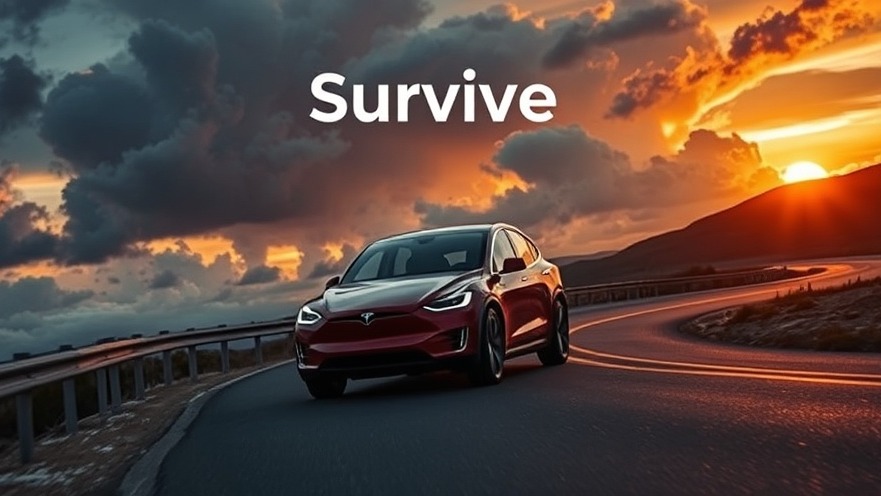
Tesla vehicle under sunset, showcasing electric vehicle market challenges and innovation.


The Trouble with Tesla: A License on the Line

California's Department of Motor Vehicles (DMV) has recently sued Tesla, claiming the electric vehicle maker has misled consumers regarding its so-called "full self-driving" technology. This legal action could jeopardize Tesla's ability to sell cars in California for a minimum of 30 days, raising questions that resonate deeply within the automotive community.


In 'America's Biggest Car Brand Can No Longer Sell Cars', the discussion dives into Tesla's controversial self-driving claims, prompting us to explore the broader implications for the electric vehicle market.

The DMV's argument hinges on the assertion that Tesla's marketing of its self-driving tech equates to false advertising. By labeling it as "full self-driving," the state argues that the company is leading consumers to believe that their vehicles can operate without any human oversight, which isn’t true. The irony isn’t lost here: Tesla's attorney, Matthew Benado, claims that the company has always been transparent about the limitations of its autopilot features. However, one must wonder: If the technology isn’t fully autonomous, why persist with a misleading name?

The Shaky Future of Electric Vehicles

This controversy around Tesla comes at a pivotal time for electric vehicles (EVs) in the U.S. and beyond. Another notable issue stems from Foxconn's recent sale of the former Lordstown plant, previously expected to produce electric cars. Instead, Foxconn’s decision to pivot away from EV production signifies how major players in the industry are pulling back from ambitious electric vehicle projects amid sluggish demand. Despite a significant investment, the company has decided not to build electric cars after all. This raises critical questions about the long-term viability of electric vehicles in a marketplace that doesn’t appear to favor them at present.

Challenges and Competition on the Horizon

The challenges extend beyond California and the beleaguered Lordstown plant. Tesla's sales in China are also facing hurdles, with reports indicating a declining demand for their models. It seems that even the giant of electric vehicles is not immune to market fluctuations and growing competition from domestic manufacturers like BYD, whose latest figures show they are struggling to maintain sales momentum. Competition is also heating up in China, where varied EV brands are indeed undercutting each other in pricing, further complicating Tesla’s prospects.

Quality Control and Counterfeit Concerns

On top of declining sales, Tesla must also contend with reported quality control issues, especially concerning its newer Cybertruck. Incidents of malfunction, such as a suspension issue reported by a Cybertruck owner, raise questions about the reliability of Tesla's production standards. Customers finding themselves stuck with expensive repair costs and warranty denials certainly adds fuel to the fire of growing dissatisfaction among consumers. Furthermore, as counterfeit auto parts flood the market, consumers are advised to be vigilant, particularly when purchasing replacement pieces for their vehicles. The potential for receiving low-quality components is worrying, and individuals must verify the authenticity of parts before installation.

Why the EV Dream Might Be Delayed

As it stands, the electric vehicle market appears fragile. With Tesla's legal challenges coupled with Foxconn's shift away from EV production, the concept of a mass shift to electric is slowly being questioned. For consumers, this is a concerning reality check: Are they stepping into a world where electric vehicles may not become the norm as expected? More critically, how should consumers navigate this uncertain landscape when considering their vehicle options?

Potential buyers should not only consider the initial costs of an electric vehicle but also their long-term reliability and the brand's commitment to innovation and quality. Moreover, understanding the broader implications of factory closures and misleading advertising is vital for anyone thinking of entering the electric vehicle market.

Conclusion: Be Informed and Cautious

If you are contemplating an electric vehicle purchase, keep an eye on the evolving market conditions and be wary of brands that may not have a solid foundation. Do thorough research and remain updated on legal and production developments related to companies you are considering. Your knowledge and preparation could significantly impact your buying decisions in this turbulent automotive climate.

For further tips on car buying and industry insights, subscribe for our latest news and updates!


Car Buying Tips

0 Comments

Write A Comment

*
*
Please complete the captcha to submit your comment.
Related Posts All Posts
04.12.2026

Why 17 Car Upgrades are Costing You More Than You Think

Update The Hidden Costs of Car Upgrades You Didn’t Know About Modern cars come with a slew of features that promise convenience, safety, and better performance. However, as technology evolves, some of these upgrades are causing more headaches than help for drivers. According to recent warranty data, if your car is under 60,000 miles, there’s a 40% chance that one of its premium features will fail before the engine does. This alarming statistic sheds light on an increasingly troubling trend in the automotive industry.The video '17 Stupid “Upgrades” Ruining NEW Cars!' explores the hidden drawbacks of modern vehicle upgrades, prompting an important discussion about their implications for car owners. Overly Complex Technology: Just How Bad Can It Get? One of the glaring culprits in the realm of modern automobiles is the giant touch screens that have replaced user-friendly physical buttons. At first, these large displays seem appealing, offering control over music, navigation, and climate settings. However, when they malfunction—due to software glitches or freezes—they leave drivers stranded without basic functionalities such as adjusting the temperature or even starting the engine. Repair costs can exceed those of some older engines, leaving not just a dent in your pocket but also potentially hazardous distractions on the road. Performance vs. Reliability: The Engine Dilemma Further complicating the issue are over-engineered turbocharged small engines. These modern marvels are often marketed for fuel efficiency and performance capabilities. In reality, they require consistent monitoring and care due to a myriad of sensitive components prone to wear and tear. The long-term reliability of these engines is questioned as manufacturers focus more on squeezing out maximum performance rather than ensuring their durability. The Trouble with Lights: A Costly Upgrade Another significant concern is found in the realm of lighting systems. While LED headlights initially promised longevity and better visibility, contemporary headlight assemblies are becoming unnecessarily complicated. Instead of a straightforward bulb replacement, a failure can lead to an entire assembly needing replacement, costing more than some used engines. Moreover, minor impacts that would traditionally only warrant a bulb change now result in hefty repair bills. Subscription Features: Are You Really Buying Ownership? Perhaps one of the most egregious issues is the introduction of subscription-locked features in vehicles. Imagine purchasing a car and then finding out that certain functionalities, like heated seats or remote start, require ongoing monthly fees. This practice undermines the very essence of ownership, transforming it into a rent-to-own model. What happens to these features when a subscription service is discontinued or when the vehicle is sold remains a growing conundrum in car ownership. On the Road: Real Feelings From Real Drivers As these complexities mount, drivers are left feeling frustrated and bewildered. For example, panoramic glass roofs, which are often touted for their aesthetic appeal, add unnecessary weight and heat, raising energy costs and complicating maintenance. The addition of glossy black interiors may seem stylish but quickly turns into a smudge-ridden nightmare that reflects sunlight into the driver’s eyes. Safer Upgrades: What Should You Invest In? Despite the frustrations of modern upgrades, not all innovations are detrimental. Some actual beneficial upgrades can protect your vehicle and save you serious costs. For instance, installing a protective film over headlights and sensors can preserve their integrity against potential damage. Similarly, using an engine oil catch can mitigates carbon buildup, potentially extending the life of your engine. Similarly, opting for smaller wheels with thicker tire sidewalls can be one of the most underrated upgrades you make. This transition can absorb shocks better than larger, more rigid wheels, ultimately resulting in fewer repairs and a smoother ride. Make Informed Decisions for Your Investment With the prevalence of these 'stupid upgrades', it's more important than ever for car buyers to be informed and cautious. The transition to increasingly complex automotive technologies is convenient, but also fraught with risks that are often overlooked in the excitement of a new purchase. So next time you consider upgrading your vehicle's features, weigh the long-term implications. It might save you frustration and money in the end.

04.10.2026

Engine Failures in New Cars: What Buyers Must Know

Discover the prevalent engine failures in new cars and what potential buyers need to know about reliability and recalls.

04.06.2026

Discover the Most Reliable Sedans: Rankings and Insights for Buyers

Explore the most reliable sedans and hatchbacks based on expert rankings, guiding your car buying decisions to ensure satisfaction.

Terms of Service

Privacy Policy

Core Modal Title

Sorry, no results found

You Might Find These Articles Interesting

T
Please Check Your Email
We Will Be Following Up Shortly
*
*
*