

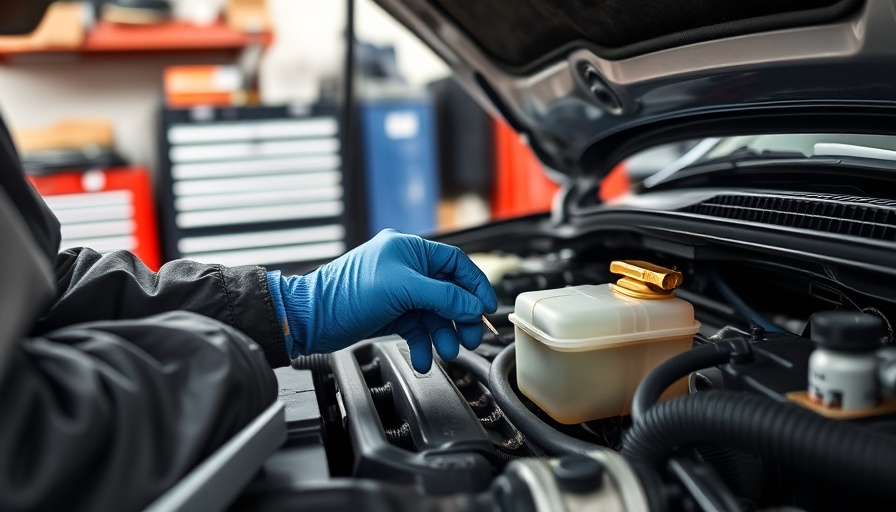
Spotting the Signs of a Coolant Leak
Noticing a puddle beneath your vehicle can be alarming, especially if you’re unsure if it’s just water from your air conditioning system or a significant coolant leak. For automobile owners, understanding how to identify the source of these puddles is crucial. The first step is to examine the puddle itself. A clever way to differentiate is to dip a tissue into the puddle: if it’s clear, it’s likely just A/C water; if it’s colored—such as pink or green—you may have a coolant leak. This distinction is essential in determining whether your vehicle requires immediate attention or not.
In 'See a Puddle Under Your Car or Truck? Here’s How to Tell If It’s a Coolant Leak and Fix It Fast,' the discussion dives into how to identify and address coolant leaks, which sparked deeper analysis on our end.
Understanding Coolant Levels
If you suspect you have a coolant leak, check your vehicle's coolant reservoir. A healthy coolant level shouldn't need frequent top-ups. If you find yourself consistently refilling it, this indicates a problem that needs to be investigated further. A significant drop in coolant levels not only indicates that coolant is leaking, but it can also affect your car's heating system. Air pockets in the system can prevent heat from circulating properly, resulting in cold air blowing out of your heater. Ignoring low coolant levels risks overheating your engine, which can lead to costly repairs.
Locating the Source of the Leak
Many vehicles experience coolant leaks from common areas like the radiator or water pump. Observing the puddle's location can provide critical clues. For example, if the leak is in the front of the car, it’s likely related to the radiator; if it’s on the passenger side, the water pump could be the culprit. Techniques such as pressurizing the system can help visualize where coolant is leaking. You should only apply pressure within the safe limits indicated on the cap, usually between 15 to 20 PSI.
The Value of Regular Checks and Maintenance
Regularly checking your coolant levels and inspecting for leaks can prevent substantial issues down the line. Addressing minor leaks promptly ensures your vehicle remains in working order and maintains proper heating in cold weather. Remember that a drop in your coolant can signal bigger problems that, if neglected, could lead to major engine damage.
Fixing the Problem Yourself
The good news for automobile owners is that fixing a coolant leak is something many can do themselves, especially with the help of guides available online. Websites like 1a.com provide valuable resources, including how-to videos to assist you through the process. Having the right parts and a bit of knowledge can empower you to diagnose and repair minor issues without the need for a mechanic, saving you time and money.
Practical Steps to Take
In conclusion, if you notice a puddle under your vehicle, don’t ignore it. Follow these steps to identify whether it’s a harmless water leak or a more serious coolant issue. Regular checks, understanding your vehicle’s signals, and being proactive about maintenance are the keys to keeping your car running smoothly. Remember, the sooner you address a leak, the less damage you’ll cause, ensuring safer driving and longer vehicle life.


Write A Comment