

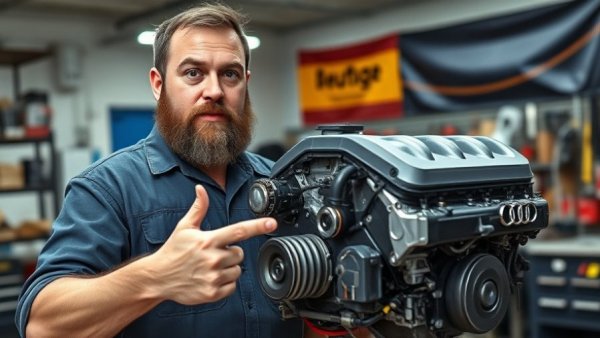
Understanding the Audi 2.7L V6 Engine Failure Mystery
The recent teardown of a 2.7L twin-turbo engine from a 2003 Audi Allroad highlights critical issues surrounding oil pressure failures. This particular engine, which also found its home in models like the B5 Audi S4 and the RS4 (not available in the U.S.), was brought to attention due to serious oil pressure issues that left its owner with a tough decision: repair or replace? This article dissects the findings from the teardown process while providing insights into why replacing the engine often proves to be a more logical choice.
In Mysterious Engine Failure | Audi 2.7L V6 Teardown, the discussion dives into the critical issues surrounding engine oil pressure failures, sparking a deeper analysis on our end.
A Common Problem: Oil Sealant Issues
During the teardown, it became evident that excessive use of sealant could be a prime suspect in the engine's failure. Maintenance hacks often lead to problems like blockages in the oil pickup caused by hardened sealant bits that can chip off and obstruct oil flow. For those keen on DIY maintenance, the lesson here is clear: while sealant can be useful, overuse may lead to significant complications, including low oil pressure and, ultimately, engine failure.
Why Replacement Might Be the Best Option
The owner of this Audi opted for an engine replacement as repair was not only costly but risky considering the unknown extent of damage due to oiling issues. In many cases, when faced with an older vehicle exhibiting signs of persistent problems, it becomes a more sensible business decision to simply replace the engine. Tearing down an engine can result in costly labor charges for the diagnostics alone, which may exceed the price of sourcing a replacement.
The Importance of Timing Chains and Tensioners
Another critical aspect of the teardown was the inspection of timing chains and tensioners, which are known to be problematic in the 2.7L engine variant. Effective management of these components is crucial for maintaining proper function, and neglecting them can lead to failure. A thorough examination revealed that while some components were in good condition, the observation of potentially loose bolts or improper assembly indicated that these were possible contributors to the engine's overall failure scenario.
Maintaining Older Engines: A Balancing Act
Caring for an older engine like the 2.7L V6 requires balancing regular maintenance with an understanding of the vehicle's history. Many drivers may not know the previous repairs and replacements done to their engines. Having access to complete service records can result in better-informed decisions about whether to undertake repairs or look for replacements. The more transparency there is around the car's service history, the better choices you can make.
Lessons for Future Audi Owners
There are significant lessons to learn from the teardown of this Audi engine. First, potential Audi owners should understand the typical issues associated with these engines, particularly the importance of proper maintenance and caution against excessive sealant. Second, as the automotive repair landscape continues to evolve, it’s vital for drivers to stay informed about alternative repair options that could help avoid pitfalls in both service and reliability.
The conclusion from the teardown is clear: while age can affect performance, understanding combined with proper maintenance and informed decision-making about major repairs can significantly impact the durability of your vehicle.




Write A Comment