
Add Row
Add Element
cropper
update
Auto Care Daily
update
Add Element
  • Home
  • Categories
    • Maintenance
    • Repairs
    • Diagnostics
    • Safety
    • Tips
    • Troubleshooting
    • Car Buying Tips
    • Extra News
    • Business Directory
3 Minutes Read

The 2025 GMC Yukon and Chevy Tahoe: Are They Really Worth Your Money?

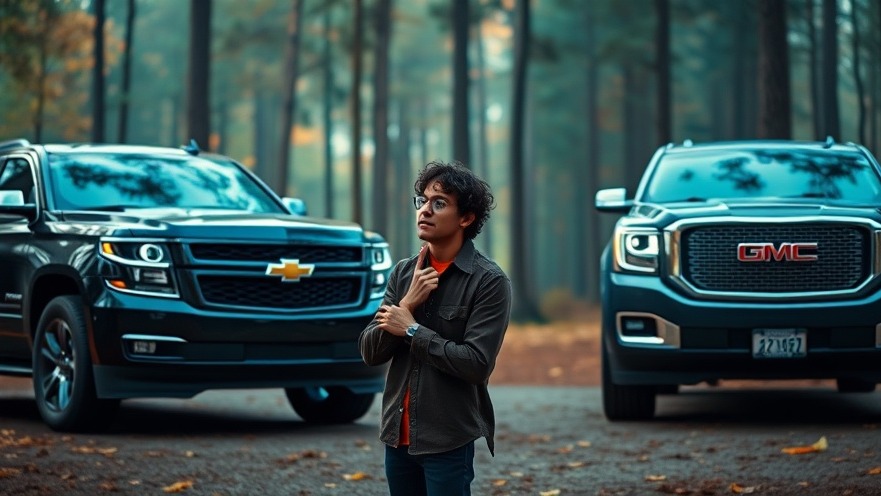
Chevrolet Tahoe vs GMC Yukon: A cinematic comparison of SUV reliability and internal features.


Why You Should Think Twice Before Buying a 2025 GMC Yukon or Chevy Tahoe

The 2025 GMC Yukon and Chevy Tahoe: both are towering options in the world of full-sized SUVs. With their sprawling interiors, impressive features, and upgraded technologies, these vehicles seem like excellent choices for families and adventurers alike. However, potential buyers need to be aware of some significant issues that could impact their car-buying decision.


In 2025 GMC Yukon & Chevy Tahoe Review, the discussion dives into the conflicting aspects of these popular SUVs, exploring key insights that sparked deeper analysis on our end.

Stellar Comfort but with a Catch

Let's start with the positives. Both models come equipped with an independent rear suspension system, which greatly enhances their ride quality. This means that you can expect a smooth and comfortable experience during long trips, as these SUVs easily glide over bumps in the road. The spacious interior is designed for carrying up to seven passengers comfortably, and with giant cargo capacity, it's an ideal choice for road trips.

Engine Power and Reliability Concerns

On the surface, the options available under the hood look impressive. Both models offer a choice between two V8 engines, including a powerful 6.2L variant boasting 420 horsepower. However, there's a critical issue lurking beneath. These engines have a history of serious reliability concerns due to a faulty cylinder deactivation system. Many owners have reported catastrophic engine failures, which have resulted in complete engine replacements, casting doubt on the long-term dependability of these powertrains.

Diesel Alternative: The 3L Duramax Engine

For those looking for a more reliable option, the 3L turbo inline 6 Duramax diesel might be the way to go. This engine not only delivers robust torque but also boasts impressive fuel efficiency, far surpassing its gasoline counterparts. Yet, it's crucial to consider that diesels have their own set of challenges, including potential oil consumption issues and the necessity for more specialized maintenance.

Technological Advancements and Luxury Features

The 2025 updates also bring an array of advanced technology options. A standout feature is the upgraded infotainment system designed for intuitive use, though some users may find the learning curve challenging. From massaging leather seats to hands-free super cruise control, these vehicles aim to offer a premium experience, yet such luxury comes at a high price, which could deter some buyers.

Pricing and Value: Are They Worth It?

Currently, prices for these SUVs range from about $62,000 to over $110,000. While loaded with options, prospective buyers might find better value in competitors like the Ford Expedition and Toyota Sequoia, which offer more reliability and fewer headaches at potentially lower prices. Even three-row crossovers could provide similar space and practicality without the weighty financial burden.

Your Next Steps as a Potential Buyer

Before making a decision, think about your specific needs. If towing and spaciousness are your primary requirements, the Yukon and Tahoe could be tempting. However, if long-term reliability and peace of mind are a priority, exploring other options is advisable. The Ford Expedition and Toyota Sequoia present safer picks in light of GMC's current engine problems.

In conclusion, the 2025 GMC Yukon and Chevy Tahoe are packed with features and comfort but come entangled with noteworthy reliability concerns. If you're considering either SUV, weighing all options carefully will serve you well in ensuring a purchase that meets your practical needs without the looming dread of engine issues.


Car Buying Tips

0 Comments

Write A Comment

*
*
Please complete the captcha to submit your comment.
Related Posts All Posts
04.12.2026

Why 17 Car Upgrades are Costing You More Than You Think

Update The Hidden Costs of Car Upgrades You Didn’t Know About Modern cars come with a slew of features that promise convenience, safety, and better performance. However, as technology evolves, some of these upgrades are causing more headaches than help for drivers. According to recent warranty data, if your car is under 60,000 miles, there’s a 40% chance that one of its premium features will fail before the engine does. This alarming statistic sheds light on an increasingly troubling trend in the automotive industry.The video '17 Stupid “Upgrades” Ruining NEW Cars!' explores the hidden drawbacks of modern vehicle upgrades, prompting an important discussion about their implications for car owners. Overly Complex Technology: Just How Bad Can It Get? One of the glaring culprits in the realm of modern automobiles is the giant touch screens that have replaced user-friendly physical buttons. At first, these large displays seem appealing, offering control over music, navigation, and climate settings. However, when they malfunction—due to software glitches or freezes—they leave drivers stranded without basic functionalities such as adjusting the temperature or even starting the engine. Repair costs can exceed those of some older engines, leaving not just a dent in your pocket but also potentially hazardous distractions on the road. Performance vs. Reliability: The Engine Dilemma Further complicating the issue are over-engineered turbocharged small engines. These modern marvels are often marketed for fuel efficiency and performance capabilities. In reality, they require consistent monitoring and care due to a myriad of sensitive components prone to wear and tear. The long-term reliability of these engines is questioned as manufacturers focus more on squeezing out maximum performance rather than ensuring their durability. The Trouble with Lights: A Costly Upgrade Another significant concern is found in the realm of lighting systems. While LED headlights initially promised longevity and better visibility, contemporary headlight assemblies are becoming unnecessarily complicated. Instead of a straightforward bulb replacement, a failure can lead to an entire assembly needing replacement, costing more than some used engines. Moreover, minor impacts that would traditionally only warrant a bulb change now result in hefty repair bills. Subscription Features: Are You Really Buying Ownership? Perhaps one of the most egregious issues is the introduction of subscription-locked features in vehicles. Imagine purchasing a car and then finding out that certain functionalities, like heated seats or remote start, require ongoing monthly fees. This practice undermines the very essence of ownership, transforming it into a rent-to-own model. What happens to these features when a subscription service is discontinued or when the vehicle is sold remains a growing conundrum in car ownership. On the Road: Real Feelings From Real Drivers As these complexities mount, drivers are left feeling frustrated and bewildered. For example, panoramic glass roofs, which are often touted for their aesthetic appeal, add unnecessary weight and heat, raising energy costs and complicating maintenance. The addition of glossy black interiors may seem stylish but quickly turns into a smudge-ridden nightmare that reflects sunlight into the driver’s eyes. Safer Upgrades: What Should You Invest In? Despite the frustrations of modern upgrades, not all innovations are detrimental. Some actual beneficial upgrades can protect your vehicle and save you serious costs. For instance, installing a protective film over headlights and sensors can preserve their integrity against potential damage. Similarly, using an engine oil catch can mitigates carbon buildup, potentially extending the life of your engine. Similarly, opting for smaller wheels with thicker tire sidewalls can be one of the most underrated upgrades you make. This transition can absorb shocks better than larger, more rigid wheels, ultimately resulting in fewer repairs and a smoother ride. Make Informed Decisions for Your Investment With the prevalence of these 'stupid upgrades', it's more important than ever for car buyers to be informed and cautious. The transition to increasingly complex automotive technologies is convenient, but also fraught with risks that are often overlooked in the excitement of a new purchase. So next time you consider upgrading your vehicle's features, weigh the long-term implications. It might save you frustration and money in the end.

04.10.2026

Engine Failures in New Cars: What Buyers Must Know

Discover the prevalent engine failures in new cars and what potential buyers need to know about reliability and recalls.

04.06.2026

Discover the Most Reliable Sedans: Rankings and Insights for Buyers

Explore the most reliable sedans and hatchbacks based on expert rankings, guiding your car buying decisions to ensure satisfaction.

Terms of Service

Privacy Policy

Core Modal Title

Sorry, no results found

You Might Find These Articles Interesting

T
Please Check Your Email
We Will Be Following Up Shortly
*
*
*