

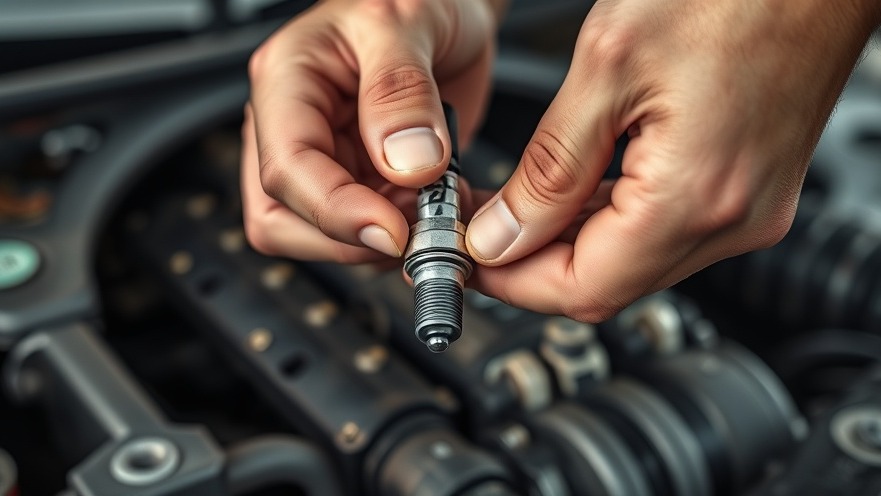
Save Big by Avoiding DIY Car Pitfalls
As car owners, we all want to save money wherever we can, and becoming a DIY mechanic seems like a golden ticket to cut costs. Recent estimates suggest that engaging in basic repair work can save you over $1,000 every year. However, it's not all black and white. A single misstep in your DIY journey can lead to unforeseen expenses that outweigh your savings. The video 17 DIY Mistakes That DESTROY Your Car (Stop Doing These!) highlights crucial errors that can jeopardize vehicle safety and lead to hefty repair bills. In this article, we explore these mistakes and how you can effectively avoid them.
In 17 DIY Mistakes That DESTROY Your Car (Stop Doing These!), the video highlights critical errors DIY mechanics often make, prompting us to delve deeper into how these mistakes can lead to costly repairs.
Understanding the Missteps of DIY Automotive Repair
Diving into car repairs without the right knowledge can lead to problematic situations. From the wrong jacking points to using low-quality parts, the potential for disaster is high. Let's break down some of the most critical mistakes DIY car enthusiasts make:
1. Wrong Jacking Technique: A Recipe for Disaster
Before even getting your hands dirty, where you position your jack is crucial. Incorrectly jacking up your vehicle can lead to severe accidents or damaging your car. Each vehicle has recommended jacking points that are engineered to securely hold its weight. Ignoring this can bend parts or even cause your jack to slip, putting you at risk. Always double-check your vehicle’s manual for specific instructions on safe jacking points.
2. Equipment Matters: Invest in Quality Tools
Having the right equipment is essential in any DIY project. Cheap tools might save you a few dollars, but they can actually lead to expensive mistakes. Tools that don’t meet the required specifications can bend or damage the car components you're trying to fix. Instead, invest in quality hand tools, which are worth every penny and will ultimately save you time and money.
3. Trusting Cheap Aftermarket Parts
It's tempting to save money by opting for cheaper parts, but this could backfire spectacularly with high-stakes components like brakes or engine parts. Cheap parts tend to wear out faster, leading to performance issues and potentially costly repairs down the road. Whenever possible, opt for OEM (Original Equipment Manufacturer) parts that are built precisely for your vehicle's specifications.
4. Understanding Torque Values and Fasteners
An often-overlooked mistake is either overtightening or undertightening nuts and bolts. Applying the correct torque is essential, as too much pressure can break threads, while too little can result in loose parts, causing leaks and significant damage. Utilize a torque wrench for precision and follow the manufacturer's specifications for your vehicle to avoid this common error.
5. Ignoring Safety Gear
Another critical aspect that often gets neglected is safety. Working on a vehicle without proper gear such as safety goggles, gloves, and appropriate clothing can result in serious injuries. Automobiles are filled with harmful chemicals, sharp objects, and potential hazards, highlighting the need for essential protective equipment. Always remember: the investment in safety gear is far less than the cost of dealing with an injury.
6. Misconceptions: Universal Parts Don’t Exist
A common misconception among DIY mechanics is the belief that universal car parts can work on any vehicle model. However, all cars have specific needs, and using the wrong part could lead to subpar performance or even mechanical failure. Always verify compatibility, and consult your vehicle’s manual before making a purchase.
7. Keeping Your Workspace Clean
Finally, maintaining a clean and organized workspace cannot be overstated. A cluttered environment increases the risk of introducing dirt and grime into crucial car components, leading to friction, corrosion, and eventual breakdown. Always clean your workspace and keep tools and parts organized to ensure that nothing is misplaced or damaged due to neglect.
Take Command of Your DIY Journey
By being aware of these common pitfalls, you can enhance your DIY car maintenance experience. Learning and applying this knowledge not only saves money but also ensures your safety and that of your vehicle. Remember, while DIY repairs can benefit your wallet, they also require respect for the complexity of your vehicle's systems.
Do you feel empowered to take on automotive repairs while avoiding these common mistakes? Start small, gradually build your skills, and remember that sometimes, the best decision is to consult a professional.


Write A Comment