

cropper
Auto Care Daily
  • Home
  • Categories
    • Maintenance
    • Repairs
    • Diagnostics
    • Safety
    • Tips
    • Troubleshooting
    • Car Buying Tips
    • Extra News
    • Business Directory
7 Minutes Read

vehicle maintenance Lawrenceville: Keep Your Car Running Smooth

Smiling mechanic working on car engine for a smooth journey in vibrant workspace.

J & M Auto Center

📍 Address: 693 Grayson Hwy A, Lawrenceville, GA 30046

📞 Phone: +1 678-407-9904

🌐 Website: http://www.jandmautocenter.net/

★★★★★

Rating:4.7


Why Every Lawrenceville Driver Needs to Care About Vehicle Maintenance

Have you ever found yourself stranded on the side of the road, wishing you had taken that last check engine light a bit more seriously? In Lawrenceville and across the country, unexpected car breakdowns are often the result of neglected vehicle maintenance. With our daily reliance on cars for work, school, and everything in between, the cost of forgetting regular check-ups often comes at the most inconvenient times and with far more expense than a simple service visit. That creeping anxiety as you hear a new rattle or feel an unexplained vibration isn't just your imagination—it's your car's way of warning you about potential problems ahead.

With busy schedules and seemingly endless to-do lists, it can be easy to push vehicle maintenance down on your priority list. Yet, understanding and practicing regular maintenance isn't just about avoiding breakdowns or expensive repairs—it's about safeguarding your safety and your family's. The reliability, performance, and lifespan of your car are directly tied to how well it's maintained. As vehicles become more complex, the consequences of skipping key maintenance tasks can be even more costly and frustrating. That's why a thoughtful, consistent approach to vehicle maintenance in Lawrenceville is an essential skill for every driver.
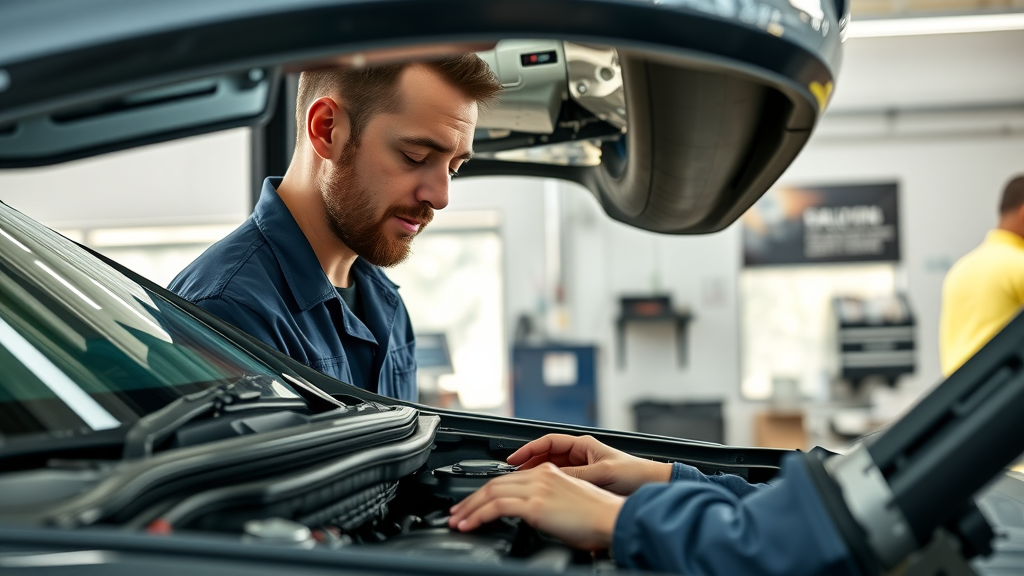
Expert vehicle maintenance Lawrenceville auto shop professional repairs car

Understanding Vehicle Maintenance in Lawrenceville—Why It’s More Than Oil Changes

Vehicle maintenance in Lawrenceville extends far beyond the occasional oil change or tire rotation. It's a comprehensive approach to caring for modern automobiles that includes regular inspections, timely replacement of wear-and-tear parts, and diagnosis of hidden issues before they become major safety hazards. Essential related practices—like brake checks, fluid top-offs, and alignment adjustments—not only keep your car running efficiently, but also help you avoid getting caught off guard by surprise repairs. Many car owners underestimate the importance of ongoing care, only to face higher costs and increased risks when problems finally force their hand. Avoiding this cycle starts with understanding what real, holistic maintenance means today.

Lawrenceville drivers especially need a plan tailored to the region's unique driving patterns, climate, and road conditions. Factors like humidity, seasonal temperature swings, and congested traffic can accelerate the wear and tear on your car. Skipping a scheduled inspection or using generic service providers can make it harder to spot and fix small troubles before they grow. Without proper vehicle maintenance—and a professional’s trained eye—drivers risk not only breakdowns, but also unwelcome surprises such as failed emission tests, poor fuel efficiency, and even compromised passenger safety. By learning why routine attention matters and what it really covers, Lawrenceville car owners position themselves for peace of mind, cost savings, and a safer ride.

Lawrenceville vehicle maintenance ensuring smooth running for local drivers

How Quality Vehicle Maintenance in Lawrenceville Delivers Real-World Benefits

Local auto repair experts, such as the professionals at J & M Auto Center in Lawrenceville, bring a high level of technical skill and community-focused service to routine vehicle maintenance. Their approach focuses on transparency, efficiency, and building customer trust, ensuring that drivers only pay for what their car actually needs. When vehicle maintenance is done right—with honest diagnosis and professional expertise—drivers benefit not only from immediate fixes but from improved reliability, longer-lasting vehicles, and ultimately lower overall costs.

Consistent vehicle maintenance in Lawrenceville means you’re less likely to face sudden breakdowns when rushing to work or school. Regular service checks help identify potential wear on brakes or belts early, so you avoid the inconvenience and danger of roadside emergencies. Lawrenceville drivers also reap hidden benefits: optimal fuel mileage, better air conditioning performance during the Georgia summers, and a car that feels new for longer. Vehicles that receive timely maintenance are more likely to pass emissions checks with flying colors, saving further hassles and fines. Regular visits to trusted local experts create a proactive maintenance routine that acts as both shield and safety net for busy families and professionals alike.

Beyond just saving money, drivers experience a peace of mind knowing they’re making informed, honest choices with their vehicle maintenance investments. With local expertise on their side, car owners can confidently hit the road—whether for daily commutes, weekend getaways, or the demands of city driving—knowing their vehicle is being looked after by professionals who truly care about lasting results.

Lawrenceville auto maintenance team providing trusted local vehicle service

The Hidden Value of Preventive Care: Saving Money and Stress Down the Road

Many Lawrenceville residents might wonder if skipping routine service appointments actually saves time or money. In reality, regular vehicle maintenance prevents minor issues from evolving into major repairs that are far more time-consuming and expensive. Something as simple as a fluid top-off or tire rotation can extend the length of critical components—delaying costly repairs and maximizing the value of your investment. Expert auto technicians have the training to spot signs of trouble that even attentive owners can miss. Their early intervention saves not just money, but the stress and disruption caused by breakdowns.

Local conditions in Lawrenceville, including stop-and-go city traffic and occasional harsh weather, challenge the reliability of every vehicle. The ultimate benefit of staying vigilant with maintenance isn’t simply found on your receipt—it’s felt in worry-free drives, successful family trips, and safe daily routines. When maintenance is managed properly, your car performs at its best, retains value, and protects both wallet and well-being.

Common Myths About Vehicle Maintenance—And Why Local Expertise Matters

There’s a persistent myth that “if it’s not broken, don’t fix it.” However, experienced mechanics in Lawrenceville urge drivers to think differently. Most car problems don’t announce themselves loudly until significant damage has occurred. For example, brake pads often wear quietly until the grinding starts, and a small oil leak can lead to engine failure if left unchecked. Local vehicle maintenance professionals know the subtle signs specific to common makes and models in the Lawrenceville area, and can help prevent silent damage before it becomes catastrophic.

Smooth vehicle maintenance Lawrenceville keeps cars safe and reliable

Another misconception is that all garages offer the same level of care. In fact, expert local shops differentiate themselves with customer service, honesty, and clear communication. Building a long-term relationship with a neighborhood technician means more reliable records, better service recommendations, and personalized advice for your specific driving conditions. This level of understanding only comes from hands-on, community-based experience.

An Expert’s Approach: The Community-Focused Service Philosophy of Lawrenceville Auto Repair

In Lawrenceville, the most trusted auto centers operate with one underlying mission: deliver quality, honest, and transparent vehicle maintenance that keeps customers coming back not out of necessity, but out of trust. Rather than pushing unnecessary repairs, reputable shops like J & M Auto Center are known for their focus on accurate diagnostics and fair pricing. Their professional teams emphasize friendly, personable service—seeing each customer as a neighbor whose safety and satisfaction matter deeply. Their philosophy rests on earning repeat business by standing behind every recommendation and only repairing what each car truly needs, which has built a strong local reputation for integrity.

Lawrenceville mechanics with a community mindset also prioritize thorough, efficient processes designed to get drivers safely back on the road quickly. Whether diagnosing a mysterious noise or providing routine maintenance, the goal is always a clear explanation, honest advice, and fast, reliable service. By holding themselves to a higher standard—rooted in technical knowledge and respect for the customer—these local experts demonstrate why professional vehicle maintenance is fundamental to both vehicular health and customer peace of mind.

Customer Validation: A Lawrenceville Driver Shares Their Experience

How do you know you’re making the right choice for your vehicle maintenance in Lawrenceville? One of the strongest endorsements comes from the words of real customers who have experienced honest, skilled service firsthand. Consider this review, which captures both the relief and satisfaction of finding a trustworthy auto shop:

Great service and honest people. They diagnosed my car quickly and fixed the issue without overcharging. The staff is friendly and professional. I definitely recommend J & M Auto Center to anyone looking for a reliable mechanic.

This kind of positive experience reflects the benefits that come from choosing professional vehicle maintenance performed by dedicated local experts. By trusting their cars to reputable technicians, many Lawrenceville drivers enjoy not just fixes, but true peace of mind and a lasting sense of security on the road.

Modern Vehicle Maintenance in Lawrenceville: A Smart Investment in Safety and Longevity

In today’s world, staying ahead of potential vehicle troubles is not just a matter of convenience but a critical component of daily safety and future savings. Routine vehicle maintenance in Lawrenceville protects drivers, their loved ones, and their financial investment in one of the most essential tools for modern life. By partnering with expert technicians who prioritize honesty, reliability, and thorough inspections, car owners equip themselves for years of dependable performance and minimal surprises. As local professionals have shown, a commitment to proper maintenance is one of the smartest investments a driver can make, turning car care into confidence on every journey.

Contact the Experts at J & M Auto Center

If you’d like to learn more about how vehicle maintenance Lawrenceville could benefit your car’s longevity and safety, contact the team at J & M Auto Center. 📍 Address: 693 Grayson Hwy A, Lawrenceville, GA 30046 📞 Phone: +1 678-407-9904 🌐 Website: http://www.jandmautocenter.net/

J & M Auto Center Location and Availability

🕒 Hours of Operation:📅 Monday: 8:00 AM – 6:00 PM📅 Tuesday: 8:00 AM – 6:00 PM📅 Wednesday: 8:00 AM – 6:00 PM📅 Thursday: 8:00 AM – 6:00 PM📅 Friday: 8:00 AM – 6:00 PM📅 Saturday: 8:00 AM – 2:00 PM📅 Sunday: ❌ Closed
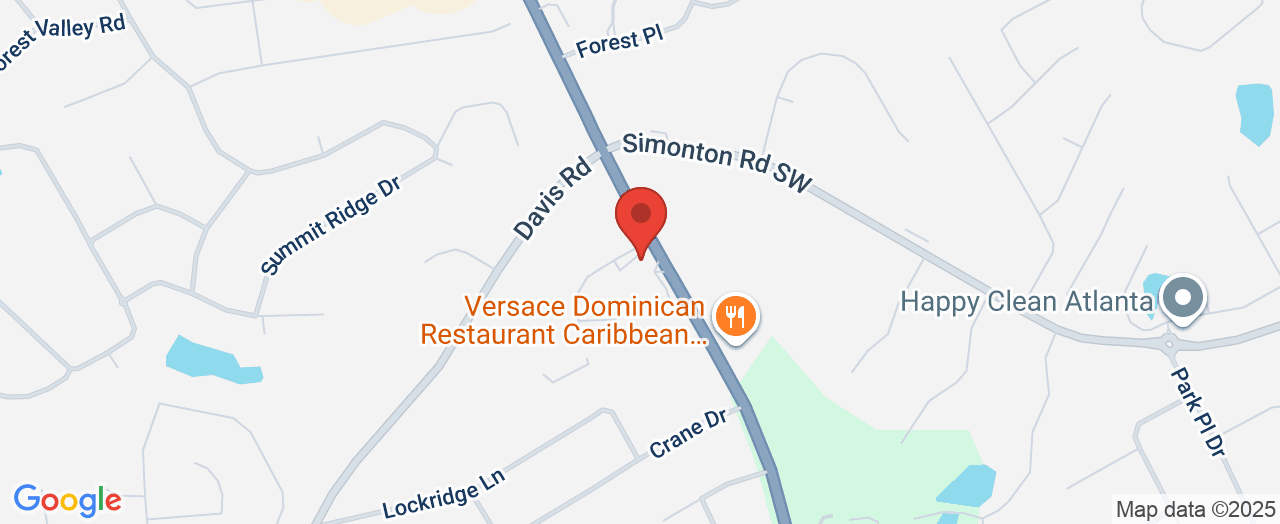
Location Map
Maintenance Business Directory

0 Comments

Write A Comment

*
*
Please complete the captcha to submit your comment.
Related Posts All Posts
10.11.2026

Stop Costly Repairs with Smart Vehicle Maintenance Tips

Discover how expert-approved vehicle maintanence can save you from unexpected repair bills, keep your car running smoothly, and give you peace of mind every time you hit the road. Let’s unlock the practical steps and insights you need for safe, worry-free driving—no matter your experience level.Unlocking the Secrets of Vehicle MaintenanceVehicle maintenance isn't just about keeping your car looking good; it's a fundamental practice that saves money and keeps you safe. The main goal of vehicle maintenance is to prevent breakdowns and expensive emergency repairs by addressing small problems before they escalate. By building simple, smart routines into your driving life, you can extend your car’s lifespan and help avoid the hassle of roadside issues.In this guide, you'll learn the most important vehicle maintenance checks every driver should know, how preventive care protects both your vehicle and your wallet, and the best expert-recommended schedule to keep your ride at peak performance. With informed steps and consistent habits, you’ll spend less time worrying about costly repairs and more time enjoying the freedom of the open road.What You'll LearnEssential vehicle maintenance checks every driver should knowHow preventive vehicle maintenance can save money and enhance safetyThe expert-approved vehicle maintenance schedule for long-lasting performanceUnderstanding Vehicle Maintenance: Fundamentals Every Owner NeedsWhat is vehicle maintenance?"Effective vehicle maintenance begins with understanding your car’s specific needs and being proactive about care. " — Automotive ExpertVehicle maintenance refers to regular inspections, servicing, and part replacements to keep a car safe and running efficiently. This includes everything from oil changes to tire rotations, plus checks of air filters and fluids. Adopting a maintenance mindset means you’ll catch minor issues before they become major repairs, protecting both your vehicle and your budget from surprises.Consistent vehicle maintenance isn’t just for car enthusiasts; it’s essential for anyone who wants long-term, reliable use. Even if you aren’t mechanically inclined, understanding the basics helps you make informed decisions and communicate effectively with service professionals.Why Does Routine Vehicle Maintenance Matter?Prevents costly repairs down the roadImproves vehicle safetyProlongs the life of your carSupports optimal fuel efficiencySticking to a routine vehicle maintenance schedule isn't just about avoiding breakdowns. It's vital for keeping you and your passengers safe, as a well-maintained vehicle responds better in emergencies. Regular maintenance also improves fuel economy, helping you save money at the pump. By taking a proactive approach, you reduce stress, maximize your investment, and help keep everyone on the road safe.For drivers interested in how maintenance habits affect the long-term reliability of specific brands, it’s worth exploring recent automotive market trends. For example, Hyundai and Kia have made notable strides in reliability, with many owners reporting improved trust thanks to consistent upkeep and evolving manufacturer standards.The Essential Vehicle Maintenance ChecklistWhat maintenance should be done on a vehicle?Check and change engine oil regularlyInspect and replace air filtersTest brakes and brake fluidRotate tires and check their pressureReview lights and electrical systemsExamine belts, hoses, and battery health"A simple inspection each month can catch issues early and keep your vehicle running smoothly. " — Service TechnicianStaying on top of these essential tasks can prevent most common sources of expensive repairs. For instance, driving with dirty oil or worn-out brakes not only endangers your safety but also leads to bigger, more costly issues. Prioritize these maintenance checks to keep your vehicle running at its best, and don’t hesitate to seek professional help if something feels off.Demystifying the $3000 Rule for CarsWhat is the $3000 rule for cars?Explains how the $3000 rule influences repair-or-replace decisionsAssesses when to invest in repairs versus shopping for a new vehicleApplies the $3000 rule to real-world vehicle maintenance scenariosThe $3000 rule is a practical guideline for car owners: if a repair will cost more than $3000—or roughly the current value of your car—it may be smarter to invest that money in a newer vehicle instead of continuing costly repairs. This rule helps prevent you from pouring cash into aging vehicles when reliability and safety are diminishing.Applying the $3000 rule can clarify stressful choices, especially as cars age or develop major problems. Always weigh the cost of a single repair against your vehicle's long-term safety, reliability, and efficiency. If the investment exceeds the car’s actual worth, it may be time to shop for something newer or more dependable. Regular vehicle maintenance reduces the odds you’ll ever face such a daunting “fix or replace” decision.Creating an Effective Vehicle Maintenance ScheduleWhat maintenance is required on a vehicle?Maintenance TaskRecommended FrequencySigns You Need ServiceOil changeEvery 5,000–7,500 milesEngine noise or oil warning lightTire rotationEvery 6,000–8,000 milesUneven tire wearBrake inspectionAnnuallySquealing or slow stoppingBattery checkTwice a yearDim lights or slow engine startCreating and following a regular vehicle maintenance schedule based on your mileage and driving habits is the best way to protect your investment. If you notice signs from the table above, it’s time to act—don’t wait for a small symptom to become a major problem. Most modern vehicles also have dashboard reminders or in-app tracker systems that can automatically alert you when service is needed.Expert Tips for Proactive Vehicle MaintenanceKeep track of service historyPay attention to dashboard warning lightsUse quality fluids and replacement partsConsult your owner's manual for specificsStaying proactive with vehicle maintenance pays off. Always log every service in your maintenance record—this helps you track what’s due and can prove valuable if you ever sell your car. Don’t ignore dashboard warning lights; they are your first alert to emerging issues. Choose top-quality fluids and original or high-standard replacement parts to ensure reliability. Finally, consult your car’s owner’s manual for recommendations tailored to your make and model.These simple habits shield you from unexpected breakdowns and help you catch minor problems before they become expensive emergencies. If in doubt, schedule a professional inspection—no question or concern is too small when your safety and savings are on the line.People Also AskWhat is vehicle maintenance?AnswerVehicle maintenance is a set of regular inspections, servicing, and scheduled replacements such as oil changes, tire rotations, and filter swaps that keep your car running safely and reliably. Consistent, preventive maintenance helps catch small issues early, reducing the chance of expensive breakdowns and keeping your car on the road longer.What maintenance should be done on a vehicle?AnswerEvery vehicle needs routine maintenance, including engine oil changes, air filter inspections, brake and fluid checks, tire rotation, and ensuring all lights and electrical systems are fully functional. Regularly inspect belts, hoses, and the battery for signs of wear, and never skip scheduled appointments—these checks are key to safe, economical driving.What is the $3000 rule for cars?AnswerThe $3000 rule suggests that if a car repair will cost more than $3000 (or your car's current value), it may be wiser to replace your vehicle rather than invest in expensive repairs. This guideline helps protect you from spending more than your car is worth, so you can make practical choices for your budget and future vehicle needs.What maintenance is required on a vehicle?AnswerRequired vehicle maintenance includes regular engine oil changes, tire rotations, brake inspections, and battery checks, along with air filter and fluid replacements based on manufacturer recommendations. These steps help keep your vehicle reliable, efficient, and safe for the long haul.Frequently Asked Questions on Vehicle MaintenanceHow can I stay on top of routine vehicle maintanence?The easiest way is to follow a written or digital maintenance schedule, use reminder apps, and check your owner’s manual for date and mileage-based service intervals.Are there vehicle maintanence tasks I can handle myself?Yes! You can handle many tasks at home, like checking tire pressure, monitoring fluid levels, and replacing wiper blades, filters, or bulbs, with basic tools and some guidance.When should I consult a professional for vehicle maintanence?If you notice persistent warning lights, unusual noises, or issues beyond your comfort level, contact a certified technician for expert diagnosis and repairs.Key Takeaways from Smart Vehicle MaintenanceConsistent vehicle maintanence prevents expensive breakdownsA proactive approach extends your vehicle’s lifespanExpert guidance ensures you follow safe and effective routinesMaintain Peace of Mind with Smart Vehicle Maintenance"Your diligence today is your savings tomorrow. Stay ahead with regular vehicle maintanence."Ready to keep your vehicle running safely and efficiently? Schedule your next vehicle maintennace check with a trusted technician today.As you refine your vehicle maintenance habits, consider how these routines can affect your confidence in the brands you drive. If you’re curious about how reliability perceptions are shifting in the automotive world, especially for popular makes like Hyundai and Kia, you’ll find valuable insights in our in-depth analysis of whether Hyundai and Kia cars are gaining trust again among buyers. Exploring these trends can help you make smarter decisions for your next vehicle purchase and ensure your maintenance efforts truly pay off in the long run.How to perform basic vehicle maintenance checks at home: Step-by-step demonstration of checking oil level, tire pressure, and lights.To further enhance your vehicle maintenance knowledge, consider exploring these authoritative resources:Consumer Reports’ Guide to Car MaintenanceThis comprehensive guide delves into essential maintenance tasks such as oil changes, tire rotations, and brake inspections, offering expert advice to help you prevent costly repairs and extend your vehicle’s lifespan.Car Maintenance Schedule ChecklistThis resource provides a detailed maintenance schedule, emphasizing the importance of adhering to regular service intervals to ensure optimal vehicle performance and safety.By consulting these resources, you can gain valuable insights into effective vehicle maintenance practices, helping you avoid unexpected repair costs and keep your car in prime condition.

10.11.2026

Oil Change Intervals: What Your Mechanic Won't Tell You

Are you sticking to outdated oil change intervals, or is it time to question what you’ve always been told about changing your oil? Most drivers pull into the repair shop assuming they need an oil change every 3,000 miles—because that’s “always” been the rule. But with modern engine oil and advanced engines, does that advice still apply? In this comprehensive guide, you’ll discover the facts behind oil change intervals, what really determines how often you need to change oil and oil filters, and how the truth might just save you time and money while protecting your engine’s lifespan. Are You Changing Your Oil More Often Than Necessary? Many car owners follow the old-school advice that recommends changing oil every 3,000 miles, but advancements in motor oil technology and engine design have shifted those guidelines. Oil change intervals are not a one-size-fits-all rule, and changing your oil too frequently can be both wasteful and unnecessary for most modern vehicles. Instead, understanding the factors that truly impact when to change oil will help you maintain your vehicle’s health and possibly save money over time. Automakers today often suggest longer oil change intervals based on rigorous testing and the improved quality of synthetic and even synthetic blend motor oils. As a result, a newer car equipped with advanced lubrication systems and superior oil life indicators may only require a service interval every 5,000 to 10,000 miles—or even longer, depending on your driving habits and conditions. By following outdated advice or relying solely on an oil change sticker, you might be spending more on maintenance than necessary. Instead, recognizing your driving pattern and oil type can make a significant difference in both cost and vehicle longevity. What You'll Learn About Oil Change Intervals How oil change intervals are determined by different factors The truth behind conventional oil change advice Expert-recommended oil change interval best practices How modern engine technology impacts oil change intervals What leading manufacturers and mechanics say about oil change intervals Understanding Oil Change Intervals: The Basics Defining Oil Change Intervals – More Than Just a Number The concept of oil change intervals goes beyond a simple mileage marker. Your oil change interval dictates the frequency at which you should change oil and the oil filter to keep engine oil fresh and effective. Engine oil lubricates moving parts, keeps the engine cool, and helps prevent sludge buildup, while the oil filter traps contaminants and keeps your oil clean. Modern cars, equipped with oil life monitors and more advanced engine designs, often favor longer change intervals depending on the type of oil used, driving conditions, and how meticulously you follow your maintenance schedule. It’s important to note that the real need for a change interval depends on several key variables: the type of engine oil (conventional, synthetic blend, or full synthetic), your specific engine’s requirements, and the kinds of trips you regularly drive. For example, short trips (especially in older cars) can lead to quicker oil degradation versus highway driving in a newer car. Regularly monitoring your oil level and color can also give real-time feedback, rather than relying solely on time or mileage. Why Oil Change and Oil Filter Maintenance Matters Neglecting to change your engine oil and oil filter at the right interval can dramatically shorten engine life. Old or contaminated engine oil loses viscosity, meaning it can no longer lubricate engine components effectively. Sludge or particulate buildup from infrequent oil filter changes can lead to clogged oil passages, reduced fuel efficiency, and—over time—major engine damage. The right oil change interval not only extends vehicle lifespan but also preserves fuel economy and optimum engine performance. Following recommended oil change practices enhances your ability to detect potential engine issues before they become major (or costly) problems. Your car’s oil filter is not just an add-on; it plays a major role in keeping dirt, tiny metal fragments, and grime from circulating through your engine. Changing your oil filter whenever you change oil ensures that your oil remains free of debris, which is essential for all cars—especially those with higher mileage or those frequently exposed to tough driving conditions. Proper maintenance not only saves you from engine problems but secures your investment in your vehicle for the long run. Motor Oil Types and Their Impact on Oil Change Intervals Conventional vs Synthetic Motor Oil: Changing Oil Recommendations Conventional oil was the standard for decades, but today, synthetic oil and synthetic blends have revolutionized how often you need to change your oil. Conventional oil, while effective, breaks down faster and is more prone to sludge formation—especially in older cars or those often used for short trips. As a result, conventional oil usually requires changing every 3,000–5,000 miles. Meanwhile, synthetic blend oils allow for longer intervals due to their enhanced resistance to oxidation and breakdown, making them suitable for 5,000–7,500 mile intervals in mixed driving conditions and newer car models. Full synthetic oil is engineered to withstand extreme temperatures and driving conditions, offering a far superior oil life and the ability to protect engines across a wider spectrum of high-mileage and modern vehicles. With full synthetics, oil change intervals can often stretch between 7,500 and 10,000 miles, or even beyond for certain engines under mostly highway conditions. But always consult your owner’s manual and consider how your own driving habits may impact these recommendations. Using the right motor oil type for your car is crucial for maximizing your change interval and avoiding unnecessary visits to the mechanic. How Your Oil Filter Affects Oil Change Intervals The performance of your oil filter is directly tied to the chosen oil change interval. A high-quality oil filter efficiently traps debris and contaminants, ensuring the engine oil remains clean for longer. Conversely, a clogged or low-grade oil filter may shorten the effective change interval—no matter how advanced your oil is. Whenever you change oil, always replace the oil filter as well. This practice is crucial for protecting engine components by reducing wear and extending both oil and engine life. Choosing the right oil filter becomes even more important in high-mileage vehicles or in cars subjected to extreme driving conditions. An older car with a buildup of internal contaminants relies even more on a quality filter. In all cases, following a comprehensive maintenance schedule that accounts for both oil and filter life ensures your engine gets the best protection possible and keeps performance at its peak. Manufacturer Recommendations vs Traditional Advice on Oil Change Intervals Are 3,000-Mile Oil Change Intervals Still Relevant? The classic 3,000-mile oil change interval was necessary back when most engines ran on conventional oil and filter technologies were less effective. Today, thanks to advanced synthetic oils, modern engine designs, and better oil filtration systems, following a strict 3,000-mile schedule is unnecessary for most drivers. Automakers and automotive experts agree that, unless you drive an older car, experience heavy stop-and-go traffic, or frequently drive in severe conditions, this outdated change interval is simply overkill for modern vehicles. For cars built since the mid-2000s, many owner’s manuals specify oil change intervals of 5,000, 7,500, or even 10,000 miles—especially when using synthetic oil. Sticking to the old advice might give you peace of mind but won’t offer substantial added protection and could actually lead you to spend more on unnecessary oil changes. Instead, adopt your manufacturer’s recommendations and adjust for your unique driving habits and climate, always keeping an eye on your vehicle’s oil life monitoring system if equipped. Decoding Owner’s Manual Guidance for Oil Change Unlocking the truth about oil change intervals starts with your vehicle owner’s manual. Rather than relying on a generic sticker left by your mechanic, the owner’s manual outlines the recommended oil type, grade, and change intervals for your exact vehicle model. These guidelines are based on extensive testing under both normal and severe driving conditions, offering advice tailored to your engine’s design and oil system. Owner’s manuals will often provide two sets of recommendations: one for “normal” driving and one for “severe” driving. Severe driving includes frequent short trips, prolonged idling, stop-and-go traffic, towing, or extreme temperature exposure. If your driving conditions fit these severe categories, it may be wise to lean toward the shorter change interval listed. However, for predominantly highway use in a newer car and with top-grade synthetic oil, the longer interval is typically safe—and recommended. Always use your owner’s manual as your go-to resource on proper oil maintenance. Critical Factors Influencing Oil Change Intervals Driving Conditions and Personalized Oil Change Intervals Not all miles are created equal when it comes to determining your oil change interval. Driving conditions play a massive role. If your routine involves frequent short trips, lots of idling, city driving with heavy traffic, or towing heavy loads, your motor oil is exposed to more contaminants and harsher operating conditions. In these scenarios, your engine struggles to reach and maintain optimal temperature, causing more rapid oil degradation—and potentially necessitating a shorter change interval. Conversely, long highway drives at steady speeds are less stressful on both oil and engine. Under these circumstances, a longer oil change interval is acceptable, particularly if you use full synthetic oil. Every driver’s habits are unique, so pay close attention to your own driving habits and adapt your maintenance schedule to best suit those conditions, using the guidelines in your owner’s manual as a baseline. Vehicle Age, Engine Design, and Oil Change Interval Recommendations Vehicle age and engine design are additional keys to determining the safest oil change intervals for your car. Newer cars are typically equipped with more advanced engine technology—think tighter tolerances, direct injection, and turbochargers—that allow for longer intervals and increased oil life, especially with synthetic oil. These engines also tend to have sensors and monitors to alert you when it’s time to change oil, making the guesswork easier. On the other hand, older cars may suffer from accumulated internal deposits, increased blow-by, or less efficient oil filtration. These factors shorten oil and filter life, meaning that sticking closer to traditional change intervals is more prudent. No matter your car’s age, checking the oil level regularly and keeping a close eye on oil color, clarity, and smell can offer early warnings—allowing you to change oil before issues arise. Oil Change Intervals Table: At-a-Glance Quick Reference Motor Oil Type Typical Interval Notes Conventional 3,000-5,000 miles Older vehicles, short trips Synthetic Blend 5,000-7,500 miles Mixed driving, newer vehicles Full Synthetic 7,500-10,000+ miles Mostly highway, modern engines Signs You May Need to Change Your Oil – Beyond the Sticker Engine knocking or increased noise: This could indicate your engine oil has lost its protective qualities and components are rubbing together. Dark or gritty motor oil on the dipstick: Fresh oil is golden and translucent, while used oil turns dark and may feel rough to the touch. Decreased fuel efficiency: If you notice gas mileage dropping, dirty engine oil could be to blame. Oil change warning light or maintenance reminder: Modern vehicles are equipped with reminders based on your oil life and driving habits—ignore these at your own risk. Strong oil smell inside the cabin: This is a sign of possible leaks or oil burning, requiring immediate attention and possibly a premature oil change. How to Change Your Oil and Oil Filter Safely Step-by-Step Guide for Changing Oil Gather required tools and safety equipment: You’ll need the right engine oil, an oil filter, a wrench, oil catch pan, gloves, and safety glasses. Drain the old engine oil according to manufacturer’s guidance: Warm up the engine briefly, park on a level surface, unscrew the drain plug, and let the oil flow out completely into your pan. Install a new oil filter: Remove the old filter, lubricate the new one’s gasket with a bit of fresh oil, then install by hand—tight but not over-tightened. Add appropriate type and amount of motor oil: Follow your vehicle’s manual for oil type and capacity. Pour new oil using a funnel, then check the oil level with the dipstick to ensure it meets the mark. Reset oil change interval indicator if necessary: Many newer cars have electronic indicators—reset this through your car’s settings or as described in the manual. Taking proper safety precautions and following each step carefully can ensure you keep your engine healthy without relying solely on your mechanic or a dealership. Visual Tutorial: Changing Your Oil and Oil Filter at Home Debunking Myths: Expert Opinions on Oil Change Intervals "While the 3,000-mile interval used to be standard, advancements in motor oil and engine technology now allow safe intervals far beyond that for most vehicles." — Certified Automotive Technician Many myths persist despite the advancements in both engine technology and motor oil formulations. One persistent misconception is that more frequent oil changes are always better. In truth, unless you routinely drive under extreme conditions, this can lead to unnecessary waste and expense. The industry consensus is shifting toward longer intervals, mainly thanks to synthetic oil and better filtration technologies. Listening to both expert mechanics and following your owner’s manual’s guidance will keep your engine in top shape—without overspending. If you’re ever uncertain, check the oil quality and your car’s built-in oil life monitor. Most drivers, especially with newer vehicles and synthetic oils, will find that stretching oil change intervals is both safe and encouraged by manufacturers and experts alike. People Also Ask: Essential Oil Change Interval Questions How often do I really need to change my oil? Answer Your oil change interval depends on the type of oil your car uses, the age of your vehicle, your driving conditions, and manufacturer recommendations. For most modern cars with synthetic oil, intervals from 7,500 to 10,000 miles are common. Older cars or those using conventional oil often require an oil change every 3,000 to 5,000 miles. Always check your owner’s manual and adapt to your personal driving habits. Can you go 10,000 miles with synthetic oil? Answer Yes, many full synthetic oils are designed to last up to 10,000 miles or even longer in modern engines under normal driving conditions. However, it’s crucial to monitor oil quality, engine performance, and to check oil level regularly. Use your car’s oil life monitor or refer to the owner’s manual for the most accurate oil change interval for your vehicle. What is the best interval to change engine oil? Answer The best interval varies by engine design, oil type, vehicle age, and driving habits. Generally, conventional oil should be changed every 3,000–5,000 miles, while synthetic blends stretch to 5,000–7,500 miles, and full synthetics often to 7,500–10,000 miles. When in doubt, consult your owner’s manual for the recommended oil change interval and adjust for severe conditions if needed. How often should you change from oil? Answer Switching from one oil type to another—such as moving from conventional to synthetic—should follow the same interval guidelines recommended for the new oil type. After switching, monitor engine response and oil level closely, and always use a new filter during every oil change to ensure the best protection for your engine. Oil Change Intervals Explained: Industry Expert Insights Frequently Asked Questions About Oil Change Intervals Does idling your car frequently impact oil change intervals? Yes, excessive idling degrades engine oil faster and may require a shorter change interval, especially in older vehicles or under hot weather conditions. What happens if you go too long without an oil change? Skipping oil changes leads to thick, dirty oil that can cause engine wear, decreased performance, and even costly repairs due to sludge and internal damage. Is the oil change interval different for high-mileage cars? High-mileage vehicles may need more frequent oil changes and should use oils formulated for older engines, especially if you notice oil loss or performance issues. Can smartphone apps help track oil change intervals? Yes, many automotive maintenance apps can help you track your service interval, set reminders, and log each oil change for optimal engine care. How do diesel engine oil change intervals differ? Diesel engines often run longer between oil changes due to their robust oil formulations, but heavy-duty use or towing can reduce the interval—consult your manual for specifics. Main Takeaways on Oil Change Intervals Follow your vehicle's recommended oil change interval—not just outdated advice Oil type, engine design, and driving habits directly affect safe oil change intervals Watch for warning signs between intervals and consult your owner’s manual Synthetics often allow longer oil change intervals, but every engine is unique Ready to Take Charge of Your Oil Change Intervals? Empower yourself with knowledge—review your manual, monitor your oil, and schedule oil changes based on facts, not just tradition. Understanding how oil change intervals interact with other engine components can also help you prevent unexpected issues. For example, learning about the relationship between oil changes, valve timing systems, and check engine lights can provide valuable insight into maintaining your vehicle’s overall health. Explore more on how VVT solenoids and oil changes affect your check engine light in this detailed guide: how VVT solenoids, valve covers, and oil changes impact your check engine light. If you’re ready to take your car maintenance knowledge to the next level, consider uncovering additional strategies that go beyond oil changes. From negotiating with your mechanic to understanding hidden service costs, there are proven ways to save big on routine maintenance and unexpected repairs. Discover 12 essential car repair secrets that could help you save over $2,500 a year and empower you to make smarter decisions every time you visit the shop by reading these expert car repair savings tips. Your wallet—and your vehicle—will thank you for it. Understanding the optimal oil change intervals for your vehicle is crucial for maintaining engine health and efficiency. The traditional 3,000-mile rule has become outdated due to advancements in engine technology and oil formulations. Modern vehicles, especially those using full synthetic oils, often have recommended intervals between 7,500 and 10,000 miles. However, factors such as driving conditions, oil type, and manufacturer guidelines can influence these intervals. For a comprehensive understanding of how often you should change your oil, including insights into oil types and the impact of driving habits, consider reading the article “How Often Should You Change Your Oil?” on Georgia Fuel & Treats. This resource provides detailed information tailored to various driving scenarios and vehicle specifications. Additionally, the “Oil Change Guide: Intervals, Oil Types, and What the Monitor Actually Means” by Bumper offers valuable insights into modern oil change practices, debunking common myths and explaining the role of oil life monitors in determining service intervals. By consulting these resources, you can make informed decisions about your vehicle’s maintenance schedule, ensuring optimal performance and longevity.

09.27.2026

Avoid Engine Damage: Essential Tips for Choosing an Oil Change Service

Discover the importance of selecting a reliable oil change service to avoid costly engine damage. Learn proactive maintenance tips for vehicle owners.

Auto Care Daily

Auto Care Daily is an online platform dedicated to providing expert advice and practical insights for vehicle owners.


The site covers a wide range of topics, including maintenance, repairs, diagnostics, safety, troubleshooting, and car buying tips.


By focusing on real-world issues and offering actionable guidance, Auto Care Daily aims to help drivers make informed decisions and keep their vehicles running smoothly.

COMPANY

  • Privacy Policy
  • Terms of Use
  • Advertise
  • Contact Us
  • Menu 5
  • Menu 6

470-838-8123

AVAILABLE FROM 8AM - 5PM

Atlanta, Ga


ABOUT US

Auto Care Daily is an online resource dedicated to empowering vehicle owners with practical, unbiased information on car maintenance, repairs, diagnostics, safety, and smart buying decisions. 

© 2026 Auto Care Daily All Rights Reserved. 533 Ridgecrest Rd NE, Atlanta, Ga 30307 . Contact Us . Terms of Service . Privacy Policy

eyJjb21wYW55IjoiQXV0byBDYXJlIERhaWx5IiwiYWRkcmVzcyI6IjUzMyBSaWRnZWNyZXN0IFJkIE5FIiwiY2l0eSI6IkF0bGFudGEiLCJzdGF0ZSI6IkdhIiwiemlwIjoiMzAzMDciLCJlbWFpbCI6InN1cHBvcnRAbWJlbm9pdGFzc29jaWF0ZXMuY29tIiwidG9zIjoiUEhBK1BITjBjbTl1Wno0OFpXMCtWMmhsYmlCNWIzVWdjMmxuYmkxcGJpQjNhWFJvSUhWekxDQjViM1VnWVhKbElHZHBkbWx1WnladVluTndPeUI1YjNWeUlIQmxjbTFwYzNOcGIyNGdZVzVrSUdOdmJuTmxiblFnZEc4Z2MyVnVaQ0I1YjNVZ1pXMWhhV3dnWVc1a0wyOXlJRk5OVXlCMFpYaDBJRzFsYzNOaFoyVnpMaUJDZVNCamFHVmphMmx1WnlCMGFHVWdWR1Z5YlhNZ1lXNWtJRU52Ym1ScGRHbHZibk1nWW05NElHRnVaQ0JpZVNCemFXZHVhVzVuSUdsdUlIbHZkU0JoZFhSdmJXRjBhV05oYkd4NUlHTnZibVpwY20wZ2RHaGhkQ0I1YjNVZ1lXTmpaWEIwSUdGc2JDQjBaWEp0Y3lCcGJpQjBhR2x6SUdGbmNtVmxiV1Z1ZEM0OEwyVnRQand2YzNSeWIyNW5Qand2Y0Q0S0NqeHdQanhoSUdoeVpXWTlJbWgwZEhBNkx5OTNkM2N1WjI5dloyeGxMbU52YlNJK2FIUjBjRG92TDNkM2R5NW5iMjluYkdVdVkyOXRQQzloUGp3dmNENEtDanh3UGladVluTndPend2Y0Q0S0NqeHdQanh6ZEhKdmJtYytVMFZTVmtsRFJUd3ZjM1J5YjI1blBqd3ZjRDRLQ2p4d1BsZGxJSEJ5YjNacFpHVWdZU0J6WlhKMmFXTmxJSFJvWVhRZ1kzVnljbVZ1ZEd4NUlHRnNiRzkzY3lCNWIzVWdkRzhnY21WalpXbDJaU0J5WlhGMVpYTjBjeUJtYjNJZ1ptVmxaR0poWTJzc0lHTnZiWEJoYm5rZ2FXNW1iM0p0WVhScGIyNHNJSEJ5YjIxdmRHbHZibUZzSUdsdVptOXliV0YwYVc5dUxDQmpiMjF3WVc1NUlHRnNaWEowY3l3Z1kyOTFjRzl1Y3l3Z1pHbHpZMjkxYm5SeklHRnVaQ0J2ZEdobGNpQnViM1JwWm1sallYUnBiMjV6SUhSdklIbHZkWElnWlcxaGFXd2dZV1JrY21WemN5QmhibVF2YjNJZ1kyVnNiSFZzWVhJZ2NHaHZibVVnYjNJZ1pHVjJhV05sTGlCWmIzVWdkVzVrWlhKemRHRnVaQ0JoYm1RZ1lXZHlaV1VnZEdoaGRDQjBhR1VnVTJWeWRtbGpaU0JwY3lCd2NtOTJhV1JsWkNBbWNYVnZkRHRCVXkxSlV5WnhkVzkwT3lCaGJtUWdkR2hoZENCM1pTQmhjM04xYldVZ2JtOGdjbVZ6Y0c5dWMybGlhV3hwZEhrZ1ptOXlJSFJvWlNCMGFXMWxiR2x1WlhOekxDQmtaV3hsZEdsdmJpd2diV2x6TFdSbGJHbDJaWEo1SUc5eUlHWmhhV3gxY21VZ2RHOGdjM1J2Y21VZ1lXNTVJSFZ6WlhJZ1kyOXRiWFZ1YVdOaGRHbHZibk1nYjNJZ2NHVnljMjl1WVd4cGVtRjBhVzl1SUhObGRIUnBibWR6TGp3dmNENEtDanh3UGxsdmRTQmhjbVVnY21WemNHOXVjMmxpYkdVZ1ptOXlJRzlpZEdGcGJtbHVaeUJoWTJObGMzTWdkRzhnZEdobElGTmxjblpwWTJVZ1lXNWtJSFJvWVhRZ1lXTmpaWE56SUcxaGVTQnBiblp2YkhabElIUm9hWEprSUhCaGNuUjVJR1psWlhNZ0tITjFZMmdnWVhNZ1UwMVRJSFJsZUhRZ2JXVnpjMkZuWlhNc0lFbHVkR1Z5Ym1WMElITmxjblpwWTJVZ2NISnZkbWxrWlhJZ2IzSWdZMlZzYkhWc1lYSWdZV2x5ZEdsdFpTQmphR0Z5WjJWektTNGdXVzkxSUdGeVpTQnlaWE53YjI1emFXSnNaU0JtYjNJZ2RHaHZjMlVnWm1WbGN5d2dhVzVqYkhWa2FXNW5JSFJvYjNObElHWmxaWE1nWVhOemIyTnBZWFJsWkNCM2FYUm9JSFJvWlNCa2FYTndiR0Y1SUc5eUlHUmxiR2wyWlhKNUlHOW1JR1ZoWTJnZ1UwMVRJSFJsZUhRZ2JXVnpjMkZuWlNCelpXNTBJSFJ2SUhsdmRTQmllU0IxY3k0Z1NXNGdZV1JrYVhScGIyNHNJSGx2ZFNCdGRYTjBJSEJ5YjNacFpHVWdZVzVrSUdGeVpTQnlaWE53YjI1emFXSnNaU0JtYjNJZ1lXeHNJR1Z4ZFdsd2JXVnVkQ0J1WldObGMzTmhjbmtnZEc4Z1lXTmpaWE56SUhSb1pTQlRaWEoyYVdObElHRnVaQ0J5WldObGFYWmxJSFJvWlNCVFRWTWdkR1Y0ZENCdFpYTnpZV2RsY3k0Z1YyVWdaRzhnYm05MElHTm9ZWEpuWlNCaGJua2dabVZsY3lCbWIzSWdaR1ZzYVhabGNua2diMllnWlcxaGFXd2diM0lnVTAxVExpQlVhR2x6SUdseklHRWdabkpsWlNCelpYSjJhV05sSUhCeWIzWnBaR1ZrSUdKNUlIVnpMaUJJYjNkbGRtVnlMQ0J3YkdWaGMyVWdZMmhsWTJzZ2QybDBhQ0I1YjNWeUlHbHVkR1Z5Ym1WMElITmxjblpwWTJVZ2NISnZkbWxrWlhJZ1lXNWtJR05sYkd4MWJHRnlJR05oY25KcFpYSWdabTl5SUdGdWVTQmphR0Z5WjJWeklIUm9ZWFFnYldGNUlHbHVZM1Z5SUdGeklHRWdjbVZ6ZFd4MElHWnliMjBnY21WalpXbDJhVzVuSUdWdFlXbHNJR0Z1WkNCVFRWTWdkR1Y0ZENCdFpYTnpZV2RsY3lCMGFHRjBJSGRsSUdSbGJHbDJaWElnZFhCdmJpQjViM1Z5SUc5d2RDMXBiaUJoYm1RZ2NtVm5hWE4wY21GMGFXOXVJSGRwZEdnZ2IzVnlJR1Z0WVdsc0lHRnVaQ0JUVFZNZ2MyVnlkbWxqWlhNdUlGbHZkU0JqWVc0Z1kyRnVZMlZzSUdGMElHRnVlU0IwYVcxbExpQktkWE4wSUhSbGVIUWdKbkYxYjNRN1UxUlBVQ1p4ZFc5ME95QjBieVp1WW5Od096eG9hV2RvYkdsbmFIUWdZMnhoYzNNOUltTnZiWEJoYm5sVFRWTlFhRzl1WlZWd1pHRjBaU0krYm5Wc2JEd3ZhR2xuYUd4cFoyaDBQaTRnUVdaMFpYSWdlVzkxSUhObGJtUWdkR2hsSUZOTlV5QnRaWE56WVdkbElDWnhkVzkwTzFOVVQxQW1jWFZ2ZERzZ2RHOGdkWE1zSUhkbElIZHBiR3dnYzJWdVpDQjViM1VnWVc0Z1UwMVRJRzFsYzNOaFoyVWdkRzhnWTI5dVptbHliU0IwYUdGMElIbHZkU0JvWVhabElHSmxaVzRnZFc1emRXSnpZM0pwWW1Wa0xpQkJablJsY2lCMGFHbHpMQ0I1YjNVZ2QybHNiQ0J1YnlCc2IyNW5aWElnY21WalpXbDJaU0JUVFZNZ2JXVnpjMkZuWlhNZ1puSnZiU0IxY3k0OEwzQStDZ284Y0Q0OGMzUnliMjVuUGxsUFZWSWdVa1ZIU1ZOVVVrRlVTVTlPSUU5Q1RFbEhRVlJKVDA1VFBDOXpkSEp2Ym1jK1BDOXdQZ29LUEhBK1NXNGdZMjl1YzJsa1pYSmhkR2x2YmlCdlppQjViM1Z5SUhWelpTQnZaaUIwYUdVZ1UyVnlkbWxqWlN3Z2VXOTFJR0ZuY21WbElIUnZPand2Y0Q0S0NqeHZiRDRLQ1R4c2FUNXdjbTkyYVdSbElIUnlkV1VzSUdGalkzVnlZWFJsTENCamRYSnlaVzUwSUdGdVpDQmpiMjF3YkdWMFpTQnBibVp2Y20xaGRHbHZiaUJoWW05MWRDQjViM1Z5YzJWc1ppQmhjeUJ3Y205dGNIUmxaQ0JpZVNCMGFHVWdVMlZ5ZG1salpTWWpNems3Y3lCeVpXZHBjM1J5WVhScGIyNGdabTl5YlNBb2MzVmphQ0JwYm1admNtMWhkR2x2YmlCaVpXbHVaeUIwYUdVZ0puRjFiM1E3VW1WbmFYTjBjbUYwYVc5dUlFUmhkR0VtY1hWdmREc3BJR0Z1WkR3dmJHaytDZ2s4YkdrK2JXRnBiblJoYVc0Z1lXNWtJSEJ5YjIxd2RHeDVJSFZ3WkdGMFpTQjBhR1VnVW1WbmFYTjBjbUYwYVc5dUlFUmhkR0VnZEc4Z2EyVmxjQ0JwZENCMGNuVmxMQ0JoWTJOMWNtRjBaU3dnWTNWeWNtVnVkQ0JoYm1RZ1kyOXRjR3hsZEdVdUlFbG1JSGx2ZFNCd2NtOTJhV1JsSUdGdWVTQnBibVp2Y20xaGRHbHZiaUIwYUdGMElHbHpJSFZ1ZEhKMVpTd2dhVzVoWTJOMWNtRjBaU3dnYm05MElHTjFjbkpsYm5RZ2IzSWdhVzVqYjIxd2JHVjBaU3dnYjNJZ2QyVWdhR0YyWlNCeVpXRnpiMjVoWW14bElHZHliM1Z1WkhNZ2RHOGdjM1Z6Y0dWamRDQjBhR0YwSUhOMVkyZ2dhVzVtYjNKdFlYUnBiMjRnYVhNZ2RXNTBjblZsTENCcGJtRmpZM1Z5WVhSbExDQnViM1FnWTNWeWNtVnVkQ0J2Y2lCcGJtTnZiWEJzWlhSbExDQjNaU0JvWVhabElIUm9aU0J5YVdkb2RDQjBieUJ6ZFhOd1pXNWtJRzl5SUR4emRISnZibWMrUEhOd1lXNGdjM1I1YkdVOUltTnZiRzl5T2lOR1JqQXdNREE3SWo1MFpYSnRhVzVoZEdVZ2VXOTFjaUJoWTJOdmRXNTBMM0J5YjJacGJHVWdZVzVrSUhKbFpuVnpaU0JoYm5rZ1lXNWtJR0ZzYkNCamRYSnlaVzUwSUc5eUlHWjFkSFZ5WlNCMWMyVWdiMllnZEdobElGTmxjblpwWTJVZ0tHOXlJR0Z1ZVNCd2IzSjBhVzl1SUhSb1pYSmxiMllwTGp3dmMzQmhiajQ4TDNOMGNtOXVaejQ4TDJ4cFBnbzhMMjlzUGdvS1BIQStKbTVpYzNBN1BDOXdQZ284YUdsbmFHeHBaMmgwSUdOc1lYTnpQU0pqYjIxd1lXNTVUbUZ0WlZWd1pHRjBaU0krUVhWMGJ5QkRZWEpsSUVSaGFXeDVQQzlvYVdkb2JHbG5hSFErUEdKeUlDOCtDanhvYVdkb2JHbG5hSFFnWTJ4aGMzTTlJbU52YlhCaGJubEJaR1J5WlhOelZYQmtZWFJsSWo0MU16TWdVbWxrWjJWamNtVnpkQ0JTWkNCT1JTd2dRWFJzWVc1MFlTd2dSMkVnTXpBek1EYzhMMmhwWjJoc2FXZG9kRDQ4WW5JZ0x6NEtQR2hwWjJoc2FXZG9kQ0JqYkdGemN6MGlZMjl0Y0dGdWVWQm9iMjVsVlhCa1lYUmxJajRyTVRRM01EZ3pPRGd4TWpNOEwyaHBaMmhzYVdkb2RENDhZbklnTHo0S1BHaHBaMmhzYVdkb2RDQmpiR0Z6Y3owaVkyOXRjR0Z1ZVVWdFlXbHNWWEJrWVhSbElqNXpkWEJ3YjNKMFFHMWlaVzV2YVhSaGMzTnZZMmxoZEdWekxtTnZiVHd2YUdsbmFHeHBaMmgwUGc9PSIsInByaXZhY3kiOiJQSEErUEhOMGNtOXVaejVRVWtsV1FVTlpQQzl6ZEhKdmJtYytQQzl3UGdvS1BIQStQSE4wY205dVp6NVVhR1VnYVc1bWIzSnRZWFJwYjI0Z2NISnZkbWxrWldRZ1pIVnlhVzVuSUhSb2FYTWdjbVZuYVhOMGNtRjBhVzl1SUdseklHdGxjSFFnY0hKcGRtRjBaU0JoYm1RZ1kyOXVabWxrWlc1MGFXRnNMQ0JoYm1RZ2QybHNiQ0J1WlhabGNpQmlaU0JrYVhOMGNtbGlkWFJsWkN3Z1kyOXdhV1ZrTENCemIyeGtMQ0IwY21Ga1pXUWdiM0lnY0c5emRHVmtJR2x1SUdGdWVTQjNZWGtzSUhOb1lYQmxJRzl5SUdadmNtMHVJRlJvYVhNZ2FYTWdiM1Z5SUdkMVlYSmhiblJsWlM0OEwzTjBjbTl1Wno0OEwzQStDZ284Y0Q0OGMzUnliMjVuUGtsT1JFVk5Ua2xVV1R3dmMzUnliMjVuUGp3dmNENEtDanh3UGp4bGJUNVpiM1VnWVdkeVpXVWdkRzhnYVc1a1pXMXVhV1o1SUdGdVpDQm9iMnhrSUhWekxDQmhibVFnYVhSeklITjFZbk5wWkdsaGNtbGxjeXdnWVdabWFXeHBZWFJsY3l3Z2IyWm1hV05sY25Nc0lHRm5aVzUwY3l3Z1kyOHRZbkpoYm1SbGNuTWdiM0lnYjNSb1pYSWdjR0Z5ZEc1bGNuTXNJR0Z1WkNCbGJYQnNiM2xsWlhNc0lHaGhjbTFzWlhOeklHWnliMjBnWVc1NUlHTnNZV2x0SUc5eUlHUmxiV0Z1WkN3Z2FXNWpiSFZrYVc1bklISmxZWE52Ym1GaWJHVWdZWFIwYjNKdVpYbHpKaU16T1RzZ1ptVmxjeXdnYldGa1pTQmllU0JoYm5rZ2RHaHBjbVFnY0dGeWRIa2daSFZsSUhSdklHOXlJR0Z5YVhOcGJtY2diM1YwSUc5bUlFTnZiblJsYm5RZ2VXOTFJSEpsWTJWcGRtVXNJSE4xWW0xcGRDd2djbVZ3Ykhrc0lIQnZjM1FzSUhSeVlXNXpiV2wwSUc5eUlHMWhhMlVnWVhaaGFXeGhZbXhsSUhSb2NtOTFaMmdnZEdobElGTmxjblpwWTJVc0lIbHZkWElnZFhObElHOW1JSFJvWlNCVFpYSjJhV05sTENCNWIzVnlJR052Ym01bFkzUnBiMjRnZEc4Z2RHaGxJRk5sY25acFkyVXNJSGx2ZFhJZ2RtbHZiR0YwYVc5dUlHOW1JSFJvWlNCVVQxTXNJRzl5SUhsdmRYSWdkbWx2YkdGMGFXOXVJRzltSUdGdWVTQnlhV2RvZEhNZ2IyWWdZVzV2ZEdobGNpNDhMMlZ0UGp3dmNENEtDanh3UGp4emRISnZibWMrUkVsVFEweEJTVTFGVWlCUFJpQlhRVkpTUVU1VVNVVlRQQzl6ZEhKdmJtYytQQzl3UGdvS1BIQStQSE4wY205dVp6NVpUMVVnUlZoUVVrVlRVMHhaSUZWT1JFVlNVMVJCVGtRZ1FVNUVJRUZIVWtWRklGUklRVlE2UEM5emRISnZibWMrUEM5d1Bnb0tQRzlzUGdvSlBHeHBQbGxQVlZJZ1ZWTkZJRTlHSUZSSVJTQlRSVkpXU1VORklFbFRJRUZVSUZsUFZWSWdVMDlNUlNCU1NWTkxMaUJVU0VVZ1UwVlNWa2xEUlNCSlV5QlFVazlXU1VSRlJDQlBUaUJCVGlBbWNYVnZkRHRCVXlCSlV5WnhkVzkwT3lCQlRrUWdKbkYxYjNRN1FWTWdRVlpCU1V4QlFreEZKbkYxYjNRN0lFSkJVMGxUTGlBc0xpQkJUa1FnVlZNc0lFbFVKaU16T1R0VElFTlZVMVJQVFVWU1V5d2dSVmhRVWtWVFUweFpJRVJKVTBOTVFVbE5VeUJCVEV3Z1YwRlNVa0ZPVkVsRlV5QlBSaUJCVGxrZ1MwbE9SQ3dnVjBoRlZFaEZVaUJGV0ZCU1JWTlRJRTlTSUVsTlVFeEpSVVFzSUVsT1EweFZSRWxPUnl3Z1FsVlVJRTVQVkNCTVNVMUpWRVZFSUZSUElGUklSU0JKVFZCTVNVVkVJRmRCVWxKQlRsUkpSVk1nVDBZZ1RVVlNRMGhCVGxSQlFrbE1TVlJaTENCR1NWUk9SVk5USUVaUFVpQkJJRkJCVWxSSlExVk1RVklnVUZWU1VFOVRSU0JCVGtRZ1RrOU9MVWxPUmxKSlRrZEZUVVZPVkM0OEwyeHBQZ29KUEd4cFBrMUJTMFZUSUU1UElGZEJVbEpCVGxSWklGUklRVlFnS0drcElGUklSU0JUUlZKV1NVTkZJRmRKVEV3Z1RVVkZWQ0JaVDFWU0lGSkZVVlZKVWtWTlJVNVVVeXdnS0dscEtTQlVTRVVnVTBWU1ZrbERSU0JYU1V4TUlFSkZJRlZPU1U1VVJWSlNWVkJVUlVRc0lGUkpUVVZNV1N3Z1UwVkRWVkpGTENCUFVpQkZVbEpQVWkxR1VrVkZMQ0FvYVdscEtTQlVTRVVnVWtWVFZVeFVVeUJVU0VGVUlFMUJXU0JDUlNCUFFsUkJTVTVGUkNCR1VrOU5JRlJJUlNCVlUwVWdUMFlnVkVoRklGTkZVbFpKUTBVZ1YwbE1UQ0JDUlNCQlEwTlZVa0ZVUlNCUFVpQlNSVXhKUVVKTVJTd2dRVTVFSUNocGRpa2dRVTVaSUVWU1VrOVNVeUJKVGlCVVNFVWdVMDlHVkZkQlVrVWdWMGxNVENCQ1JTQkRUMUpTUlVOVVJVUXVQQzlzYVQ0S0NUeHNhVDVCVGxrZ1RVRlVSVkpKUVV3Z1JFOVhUa3hQUVVSRlJDQlBVaUJQVkVoRlVsZEpVMFVnVDBKVVFVbE9SVVFnVkVoU1QxVkhTQ0JVU0VVZ1ZWTkZJRTlHSUZSSVJTQlRSVkpXU1VORklFbFRJRVJQVGtVZ1FWUWdXVTlWVWlCUFYwNGdSRWxUUTFKRlZFbFBUaUJCVGtRZ1VrbFRTeUJCVGtRZ1ZFaEJWQ0JaVDFVZ1YwbE1UQ0JDUlNCVFQweEZURmtnVWtWVFVFOU9VMGxDVEVVZ1JrOVNJRUZPV1NCRVFVMUJSMFVnVkU4Z1dVOVZVaUJEVDAxUVZWUkZVaUJUV1ZOVVJVMGdUMUlnVEU5VFV5QlBSaUJFUVZSQklGUklRVlFnVWtWVFZVeFVVeUJHVWs5TklGUklSU0JFVDFkT1RFOUJSQ0JQUmlCQlRsa2dVMVZEU0NCTlFWUkZVa2xCVEM0OEwyeHBQZ29KUEd4cFBrNVBJRUZFVmtsRFJTQlBVaUJKVGtaUFVrMUJWRWxQVGl3Z1YwaEZWRWhGVWlCUFVrRk1JRTlTSUZkU1NWUlVSVTRzSUU5Q1ZFRkpUa1ZFSUVKWklGbFBWU0JHVWs5TklFOVNJRlJJVWs5VlIwZ2dUMUlnUmxKUFRTQlVTRVVnVTBWU1ZrbERSU0JUU0VGTVRDQkRVa1ZCVkVVZ1FVNVpJRmRCVWxKQlRsUlpJRTVQVkNCRldGQlNSVk5UVEZrZ1UxUkJWRVZFSUVsT0lGUklSU0JVVDFNdVBDOXNhVDRLUEM5dmJENEtDanh3UGp4emRISnZibWMrVEVsTlNWUkJWRWxQVGlCUFJpQk1TVUZDU1V4SlZGazhMM04wY205dVp6NDhMM0ErQ2dvOGNENVpUMVVnUlZoUVVrVlRVMHhaSUZWT1JFVlNVMVJCVGtRZ1FVNUVJRUZIVWtWRklGUklRVlFnUVU1RUlGTklRVXhNSUU1UFZDQkNSU0JNU1VGQ1RFVWdSazlTSUVGT1dTQkVTVkpGUTFRc0lFbE9SRWxTUlVOVUxDQkpUa05KUkVWT1ZFRk1MQ0JUVUVWRFNVRk1MQ0JEVDA1VFJWRlZSVTVVU1VGTUlFOVNJRVZZUlUxUVRFRlNXU0JFUVUxQlIwVlRMQ0JKVGtOTVZVUkpUa2NnUWxWVUlFNVBWQ0JNU1UxSlZFVkVJRlJQTENCRVFVMUJSMFZUSUVaUFVpQk1UMU5USUU5R0lGQlNUMFpKVkZNc0lFZFBUMFJYU1V4TUxDQlZVMFVzSUVSQlZFRWdUMUlnVDFSSVJWSWdTVTVVUVU1SFNVSk1SU0JNVDFOVFJWTWdLRVZXUlU0Z1NVWWdTRUZUSUVKRlJVNGdRVVJXU1ZORlJDQlBSaUJVU0VVZ1VFOVRVMGxDU1V4SlZGa2dUMFlnVTFWRFNDQkVRVTFCUjBWVEtTd2dVa1ZUVlV4VVNVNUhJRVpTVDAwNlBDOXdQZ29LUEc5c1Bnb0pQR3hwUGxSSVJTQlZVMFVnVDFJZ1ZFaEZJRWxPUVVKSlRFbFVXU0JVVHlCVlUwVWdWRWhGSUZORlVsWkpRMFU3UEM5c2FUNEtDVHhzYVQ1VVNFVWdRMDlUVkNCUFJpQlFVazlEVlZKRlRVVk9WQ0JQUmlCVFZVSlRWRWxVVlZSRklFZFBUMFJUSUVGT1JDQlRSVkpXU1VORlV5QlNSVk5WVEZSSlRrY2dSbEpQVFNCQlRsa2dSMDlQUkZNc0lFUkJWRUVzSUVsT1JrOVNUVUZVU1U5T0lFOVNJRk5GVWxaSlEwVlRJRkJWVWtOSVFWTkZSQ0JQVWlCUFFsUkJTVTVGUkNCUFVpQk5SVk5UUVVkRlV5QlNSVU5GU1ZaRlJDQlBVaUJVVWtGT1UwRkRWRWxQVGxNZ1JVNVVSVkpGUkNCSlRsUlBJRlJJVWs5VlIwZ2dUMUlnUmxKUFRTQlVTRVVnVTBWU1ZrbERSVHM4TDJ4cFBnb0pQR3hwUGxWT1FWVlVTRTlTU1ZwRlJDQkJRME5GVTFNZ1ZFOGdUMUlnUVV4VVJWSkJWRWxQVGlCUFJpQlpUMVZTSUZSU1FVNVRUVWxUVTBsUFRsTWdUMUlnUkVGVVFUczhMMnhwUGdvSlBHeHBQbE5VUVZSRlRVVk9WRk1nVDFJZ1EwOU9SRlZEVkNCUFJpQkJUbGtnVkVoSlVrUWdVRUZTVkZrZ1QwNGdWRWhGSUZORlVsWkpRMFU3SUU5U1BDOXNhVDRLQ1R4c2FUNUJUbGtnVDFSSVJWSWdUVUZVVkVWU0lGSkZURUZVU1U1SElGUlBJRlJJUlNCVFJWSldTVU5GTGp3dmJHaytDand2YjJ3K0NnbzhjRDQ4ZFQ1Q2VTQnlaV2RwYzNSbGNtbHVaeUJoYm1RZ2MzVmljMk55YVdKcGJtY2dkRzhnYjNWeUlHVnRZV2xzSUdGdVpDQlRUVk1nYzJWeWRtbGpaU3dnWW5rZ2IzQjBMV2x1TENCdmJteHBibVVnY21WbmFYTjBjbUYwYVc5dUlHOXlJR0o1SUdacGJHeHBibWNnYjNWMElHRWdZMkZ5WkN3Z0puRjFiM1E3ZVc5MUlHRm5jbVZsSUhSdklIUm9aWE5sSUZSRlVrMVRJRTlHSUZORlVsWkpRMFVtY1hWdmREc2dZVzVrSUhsdmRTQmhZMnR1YjNkc1pXUm5aU0JoYm1RZ2RXNWtaWEp6ZEdGdVpDQjBhR1VnWVdKdmRtVWdkR1Z5YlhNZ2IyWWdjMlZ5ZG1salpTQnZkWFJzYVc1bFpDQmhibVFnWkdWMFlXbHNaV1FnWm05eUlIbHZkU0IwYjJSaGVTNDhMM1UrUEM5d1Bnb0tQSEErSm01aWMzQTdQQzl3UGdvOGFHbG5hR3hwWjJoMElHTnNZWE56UFNKamIyMXdZVzU1VG1GdFpWVndaR0YwWlNJK1FYVjBieUJEWVhKbElFUmhhV3g1UEM5b2FXZG9iR2xuYUhRK1BHSnlJQzgrQ2p4b2FXZG9iR2xuYUhRZ1kyeGhjM005SW1OdmJYQmhibmxCWkdSeVpYTnpWWEJrWVhSbElqNDFNek1nVW1sa1oyVmpjbVZ6ZENCU1pDQk9SU3dnUVhSc1lXNTBZU3dnUjJFZ016QXpNRGM4TDJocFoyaHNhV2RvZEQ0OFluSWdMejRLUEdocFoyaHNhV2RvZENCamJHRnpjejBpWTI5dGNHRnVlVkJvYjI1bFZYQmtZWFJsSWo0ck1UUTNNRGd6T0RneE1qTThMMmhwWjJoc2FXZG9kRDQ4WW5JZ0x6NEtQR2hwWjJoc2FXZG9kQ0JqYkdGemN6MGlZMjl0Y0dGdWVVVnRZV2xzVlhCa1lYUmxJajV6ZFhCd2IzSjBRRzFpWlc1dmFYUmhjM052WTJsaGRHVnpMbU52YlR3dmFHbG5hR3hwWjJoMFBnPT0ifQ==

Terms of Service

Privacy Policy

Core Modal Title

Sorry, no results found

You Might Find These Articles Interesting

T
Please Check Your Email
We Will Be Following Up Shortly
*
*
*