
Add Row
Add Element
cropper
update
Auto Care Daily
update
Add Element
  • Home
  • Categories
    • Maintenance
    • Repairs
    • Diagnostics
    • Safety
    • Tips
    • Troubleshooting
    • Car Buying Tips
    • Extra News
    • Business Directory
4 Minutes Read

Why These 11 Banned Cars Captivate Auto Owners in the U.S.

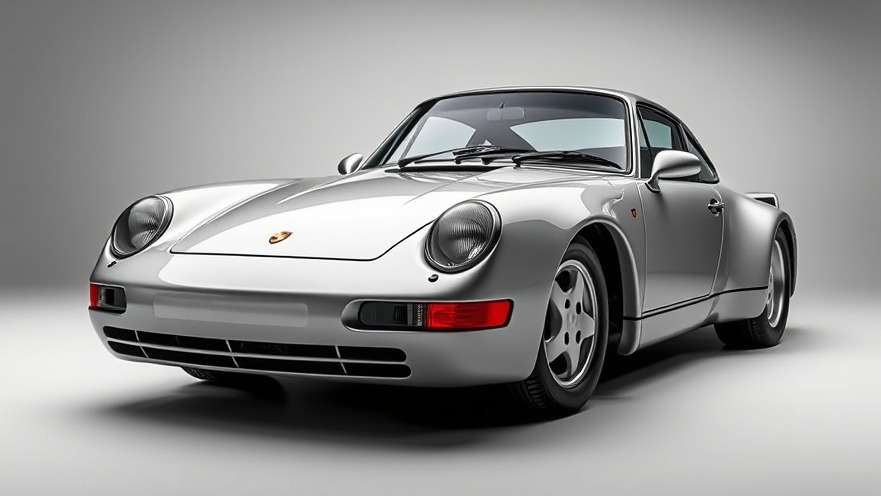
Sleek vintage Porsche 959, a rare collectible car, highlighted in sharp focus.


Rare Cars Banned in the U.S.: Why They Captivate Enthusiasts

When it comes to the world of automobiles, some cars are so rare, rapid, or radically designed that they don't gain approval to roam freely on U.S. roads. Yet, their allure remains undeniable. The recent video titled 11 Cars BANNED in the U.S. (But Everyone Wants Them!) sparks curiosity into why these vehicles hold such a strong allure despite being off-limits to many enthusiasts. Collectors have been willing to shell out staggering amounts just to claim ownership of these coveted machines. Collectively, these cars not only represent cutting-edge technology but also showcase the diverging standards in car manufacturing and safety regulations.


The video 11 Cars BANNED in the U.S. (But Everyone Wants Them!) discusses rare vehicles that are not legal on U.S. roads, prompting an examination of their fascinating backstories.

Porsche 959: An Icon of Speed and Innovation

First on the list might be one of the most legendary supercars that defined the late 1980s: the Porsche 959. Only 337 units were produced, and it held the title of the world's fastest production car at the time, reaching an astonishing 197 mph. Its features, such as all-wheel drive and twin turbochargers, were groundbreaking. However, for Porsche, submitting the 959 for U.S. safety tests wasn't feasible, primarily because it would have required four cars to be destroyed during testing. Such an expense at the time—around half a million dollars each—was a steep price to pay. Consequently, many American enthusiasts, like Bill Gates, faced the waiting game until 1999 when the show or display law permitted rare cars to be imported under strict conditions.

Lamborghini Strok Diablo: An Aesthetic Marvel

The Lamborghini Strok Diablo takes aesthetics to a new level with its unique body mods, a creation of German tuner Victoria Strosek that made it distinctive among other models. Sporting an impressive 5.7L V12 engine, this version could achieve 202 mph. However, issues surrounding U.S. safety and emission standards relegated it to dreams instead of highways, leaving it as an enigma for many car lovers.

Jaguar XJ220S: A Testament to British Engineering

Another remarkable entry is the Jaguar XJ220S, which flaunted a dizzying speed of 217 mph, surpassing its predecessors. With only six units produced, its rarity is matched by its high performance. Yet, despite its supercar status, Jaguar opted out of the lengthy and costly certification process for U.S. regulations that disallow its entry.

Land Rover Defender: A Rugged Off-Road Icon

Fans of off-roading will lament the absence of the Land Rover Defender, a vehicle beloved for its toughness and adventure spirit. Even though it was tailored for military use and sold uniquely during the mid-90s, increasing U.S. safety regulations ultimately sealed its fate. While it has recently returned to U.S. roads, it did so under modern compliance regulations, many enthusiasts still hold nostalgia for the original rugged charm.

The Excitement Around the BMW M3 CRT

The 2012 BMW M3 CRT isn't just another fast vehicle; it’s an embodiment of lightweight technology and exhilarating performance. With only 67 models built, this stunning machine has been tucked away due to U.S. regulations that it couldn't legally navigate. With racing-inspired features, its absence continues to captivate performance aficionados.

Lotus Avija: The Electric Racing Pioneer

Shifting gears to the future, the high-tech Lotus Avija, an electric hypercar, has generated significant buzz. Capable of mind-blowing speed, it isn't street-legal in the U.S., designed instead to shine on race tracks amidst thrilling challenges.

Emotional Resonance of the Alfa Romeo 8C Spider

The Alfa Romeo 8C Spider represents more than just a well-built vehicle; it's a dream for car enthusiasts who admire design and speed. Only 500 of these cars were made, yet only around 100 entered the U.S. amidst safety regulation hurdles, igniting fierce nostalgia among fans who have waited years to see the Spider on American roads.

The Common Grounds: Banned but Desired

As we explore the stories behind these rare cars like the Nissan Skyline R34 GTR and Toyota Hilux, it's clear that they share a common thread—their banning is tied to intricate safety and regulation failures, sparking an intense sense of longing among enthusiasts. Collectors are not merely interested in their aesthetic or performance traits, but they view these machines as a piece of automotive history loaded with technical innovations and design philosophies that fans around the globe respect.

Conclusion: Dream Cars Out of Reach

In summary, vehicles like the Porsche 959 and Land Rover Defender highlight the divergence between technological advancement and regulatory compliance. For many within the auto enthusiast community, these banned cars, despite their absence from roads, fuel a profound passion, crafting a narrative rich with longing and innovative automotive exploration. Their stories serve as reminders that while we may not always be able to have what we want, the desire for these extraordinary vehicles keeps the automotive spirit alive.

For auto owners keen to learn more about innovations and restrictions in the automotive world or to share thoughts about their dream cars, don't hesitate to leave your comments below!


Car Buying Tips

0 Comments

Write A Comment

*
*
Please complete the captcha to submit your comment.
Related Posts All Posts
04.12.2026

Why 17 Car Upgrades are Costing You More Than You Think

Update The Hidden Costs of Car Upgrades You Didn’t Know About Modern cars come with a slew of features that promise convenience, safety, and better performance. However, as technology evolves, some of these upgrades are causing more headaches than help for drivers. According to recent warranty data, if your car is under 60,000 miles, there’s a 40% chance that one of its premium features will fail before the engine does. This alarming statistic sheds light on an increasingly troubling trend in the automotive industry.The video '17 Stupid “Upgrades” Ruining NEW Cars!' explores the hidden drawbacks of modern vehicle upgrades, prompting an important discussion about their implications for car owners. Overly Complex Technology: Just How Bad Can It Get? One of the glaring culprits in the realm of modern automobiles is the giant touch screens that have replaced user-friendly physical buttons. At first, these large displays seem appealing, offering control over music, navigation, and climate settings. However, when they malfunction—due to software glitches or freezes—they leave drivers stranded without basic functionalities such as adjusting the temperature or even starting the engine. Repair costs can exceed those of some older engines, leaving not just a dent in your pocket but also potentially hazardous distractions on the road. Performance vs. Reliability: The Engine Dilemma Further complicating the issue are over-engineered turbocharged small engines. These modern marvels are often marketed for fuel efficiency and performance capabilities. In reality, they require consistent monitoring and care due to a myriad of sensitive components prone to wear and tear. The long-term reliability of these engines is questioned as manufacturers focus more on squeezing out maximum performance rather than ensuring their durability. The Trouble with Lights: A Costly Upgrade Another significant concern is found in the realm of lighting systems. While LED headlights initially promised longevity and better visibility, contemporary headlight assemblies are becoming unnecessarily complicated. Instead of a straightforward bulb replacement, a failure can lead to an entire assembly needing replacement, costing more than some used engines. Moreover, minor impacts that would traditionally only warrant a bulb change now result in hefty repair bills. Subscription Features: Are You Really Buying Ownership? Perhaps one of the most egregious issues is the introduction of subscription-locked features in vehicles. Imagine purchasing a car and then finding out that certain functionalities, like heated seats or remote start, require ongoing monthly fees. This practice undermines the very essence of ownership, transforming it into a rent-to-own model. What happens to these features when a subscription service is discontinued or when the vehicle is sold remains a growing conundrum in car ownership. On the Road: Real Feelings From Real Drivers As these complexities mount, drivers are left feeling frustrated and bewildered. For example, panoramic glass roofs, which are often touted for their aesthetic appeal, add unnecessary weight and heat, raising energy costs and complicating maintenance. The addition of glossy black interiors may seem stylish but quickly turns into a smudge-ridden nightmare that reflects sunlight into the driver’s eyes. Safer Upgrades: What Should You Invest In? Despite the frustrations of modern upgrades, not all innovations are detrimental. Some actual beneficial upgrades can protect your vehicle and save you serious costs. For instance, installing a protective film over headlights and sensors can preserve their integrity against potential damage. Similarly, using an engine oil catch can mitigates carbon buildup, potentially extending the life of your engine. Similarly, opting for smaller wheels with thicker tire sidewalls can be one of the most underrated upgrades you make. This transition can absorb shocks better than larger, more rigid wheels, ultimately resulting in fewer repairs and a smoother ride. Make Informed Decisions for Your Investment With the prevalence of these 'stupid upgrades', it's more important than ever for car buyers to be informed and cautious. The transition to increasingly complex automotive technologies is convenient, but also fraught with risks that are often overlooked in the excitement of a new purchase. So next time you consider upgrading your vehicle's features, weigh the long-term implications. It might save you frustration and money in the end.

04.10.2026

Engine Failures in New Cars: What Buyers Must Know

Discover the prevalent engine failures in new cars and what potential buyers need to know about reliability and recalls.

04.06.2026

Discover the Most Reliable Sedans: Rankings and Insights for Buyers

Explore the most reliable sedans and hatchbacks based on expert rankings, guiding your car buying decisions to ensure satisfaction.

Terms of Service

Privacy Policy

Core Modal Title

Sorry, no results found

You Might Find These Articles Interesting

T
Please Check Your Email
We Will Be Following Up Shortly
*
*
*