

Understanding the Risks of Aftermarket Car Parts
When it comes to maintaining your vehicle, the choice of parts can be critical. While some aftermarket parts may seem like a budget-friendly option, opting for store-brand components can often lead to problematic long-term consequences. Mechanics across the spectrum warn drivers about the hidden costs associated with cheaper parts; parts can fail prematurely and often result in a cycle of costly repairs.
In NEVER Buy These 11 Aftermarket Car Parts — Mechanics Say They Fail Twice as Fast!, the discussion dives into common parts that can lead to repeated failures. This sparks a closer examination of how these parts can affect both your wallet and safety on the road.
1. The Hidden Costs of Fuel Pumps
Fuel pumps are a great example of how a seemingly small savings can unravel into significant costs. Many drivers have succumbed to the lure of lower-priced store-brand fuel pumps, only to face repeated failures. Mechanics emphasize the importance of sticking with original equipment manufacturer (OEM) parts, especially considering that many non-OEM options don’t perform as well, leading to failures that can jeopardize safety.
2. The False Security of Warranties
Several aftermarket parts advertise lifetime warranties, luring in customers like the Duralast alternator. However, the reality is that even if the part is replaced for free, labor costs and repeated repairs can add up quickly. OEM parts not only ensure durability but also peace of mind, which is invaluable for any vehicle owner.
3. Ignition Coils: A Frequent Culprit
Many car owners may hesitate to invest in OEM ignition coils due to the price, opting instead for cheaper alternatives that perform poorly under stress. This can result in misfiring engines, increased fuel consumption, and numerous repairs. When tempted by those low prices, it’s essential to consider the potential consequences that ultimately lead to more expensive repairs including damage to the catalytic converter.
4. The Cascade of Poor Part Choices
A cheap mass airflow sensor can damage your vehicle's performance and lead to devastating repair costs. Often, beginners in car maintenance view these sensors as easy swaps, but the risk of miscalculating air intake can have ripple effects throughout your engine management system. Investing in quality pays off in fuel efficiency and overall engine longevity.
The Brake System: Safety Over Savings
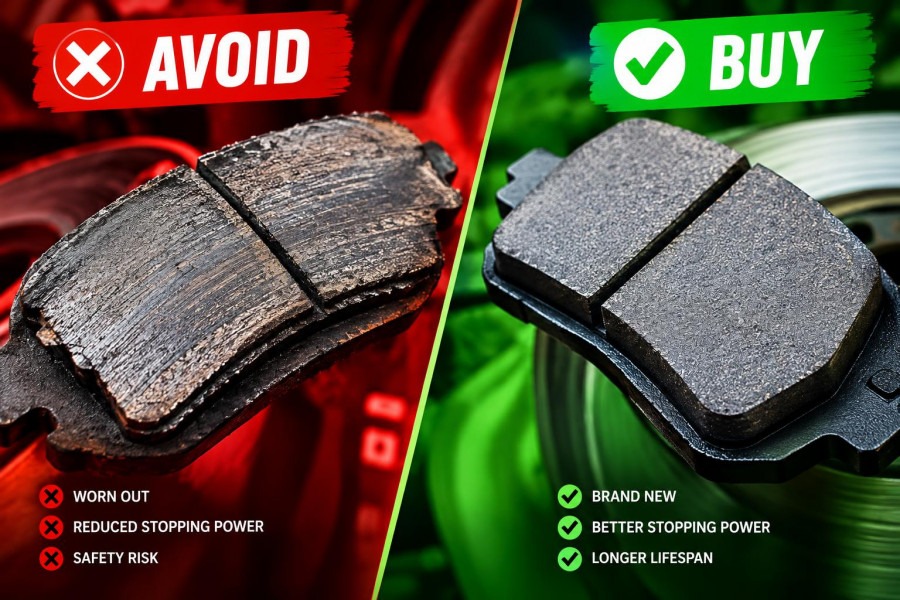
The importance of choosing suitable brake parts cannot be overstated. Low-quality brake pads and rotors can severely impact stopping power and contribute to dangerous driving situations. A single failure can result in an accident and this raises the stakes significantly—risking not only your vehicle but also your safety.
6. Understanding the Importance of Quality Control
Quality assurance is crucial when purchasing any auto part. Components like control arms and ball joints are fundamental to vehicle stability and safety. Opting for well-regarded parts from reputable manufacturers safeguards against premature wear and costly repairs that can stem from using lesser-known brands.
Making Smart Choices with Vehicle Maintenance
For auto owners, weighing the cost of parts against potential repairs is essential. Quality truck parts maintain longevity and performance. While there are some components, like batteries and standard fuses, that are perfectly acceptable to purchase from store brands, critical parts that ensure functionality and safety deserve a more careful approach. Avoiding store brand pitfalls not only helps save money but also keeps drivers safe on the road.
Final Thoughts: Spend Wisely to Save
In conclusion, many mechanics recommend investing in OEM parts or those from reputable brands that have proven their reliability. While the initial expense may be higher, the savings on repairs, labor, and potential hazards overwhelmingly justify the expense. Don’t let allure of lower costs dictate your vehicle's maintenance decisions—always prioritize quality and safety above all.




Write A Comment