

Are you sticking to outdated oil change intervals, or is it time to question what you’ve always been told about changing your oil? Most drivers pull into the repair shop assuming they need an oil change every 3,000 miles—because that’s “always” been the rule. But with modern engine oil and advanced engines, does that advice still apply? In this comprehensive guide, you’ll discover the facts behind oil change intervals, what really determines how often you need to change oil and oil filters, and how the truth might just save you time and money while protecting your engine’s lifespan.

Are You Changing Your Oil More Often Than Necessary?
Many car owners follow the old-school advice that recommends changing oil every 3,000 miles, but advancements in motor oil technology and engine design have shifted those guidelines. Oil change intervals are not a one-size-fits-all rule, and changing your oil too frequently can be both wasteful and unnecessary for most modern vehicles. Instead, understanding the factors that truly impact when to change oil will help you maintain your vehicle’s health and possibly save money over time.
Automakers today often suggest longer oil change intervals based on rigorous testing and the improved quality of synthetic and even synthetic blend motor oils. As a result, a newer car equipped with advanced lubrication systems and superior oil life indicators may only require a service interval every 5,000 to 10,000 miles—or even longer, depending on your driving habits and conditions. By following outdated advice or relying solely on an oil change sticker, you might be spending more on maintenance than necessary. Instead, recognizing your driving pattern and oil type can make a significant difference in both cost and vehicle longevity.
What You'll Learn About Oil Change Intervals
- How oil change intervals are determined by different factors
- The truth behind conventional oil change advice
- Expert-recommended oil change interval best practices
- How modern engine technology impacts oil change intervals
- What leading manufacturers and mechanics say about oil change intervals
Understanding Oil Change Intervals: The Basics

Defining Oil Change Intervals – More Than Just a Number
The concept of oil change intervals goes beyond a simple mileage marker. Your oil change interval dictates the frequency at which you should change oil and the oil filter to keep engine oil fresh and effective. Engine oil lubricates moving parts, keeps the engine cool, and helps prevent sludge buildup, while the oil filter traps contaminants and keeps your oil clean. Modern cars, equipped with oil life monitors and more advanced engine designs, often favor longer change intervals depending on the type of oil used, driving conditions, and how meticulously you follow your maintenance schedule.
It’s important to note that the real need for a change interval depends on several key variables: the type of engine oil (conventional, synthetic blend, or full synthetic), your specific engine’s requirements, and the kinds of trips you regularly drive. For example, short trips (especially in older cars) can lead to quicker oil degradation versus highway driving in a newer car. Regularly monitoring your oil level and color can also give real-time feedback, rather than relying solely on time or mileage.
Why Oil Change and Oil Filter Maintenance Matters
Neglecting to change your engine oil and oil filter at the right interval can dramatically shorten engine life. Old or contaminated engine oil loses viscosity, meaning it can no longer lubricate engine components effectively. Sludge or particulate buildup from infrequent oil filter changes can lead to clogged oil passages, reduced fuel efficiency, and—over time—major engine damage. The right oil change interval not only extends vehicle lifespan but also preserves fuel economy and optimum engine performance. Following recommended oil change practices enhances your ability to detect potential engine issues before they become major (or costly) problems.
Your car’s oil filter is not just an add-on; it plays a major role in keeping dirt, tiny metal fragments, and grime from circulating through your engine. Changing your oil filter whenever you change oil ensures that your oil remains free of debris, which is essential for all cars—especially those with higher mileage or those frequently exposed to tough driving conditions. Proper maintenance not only saves you from engine problems but secures your investment in your vehicle for the long run.
Motor Oil Types and Their Impact on Oil Change Intervals
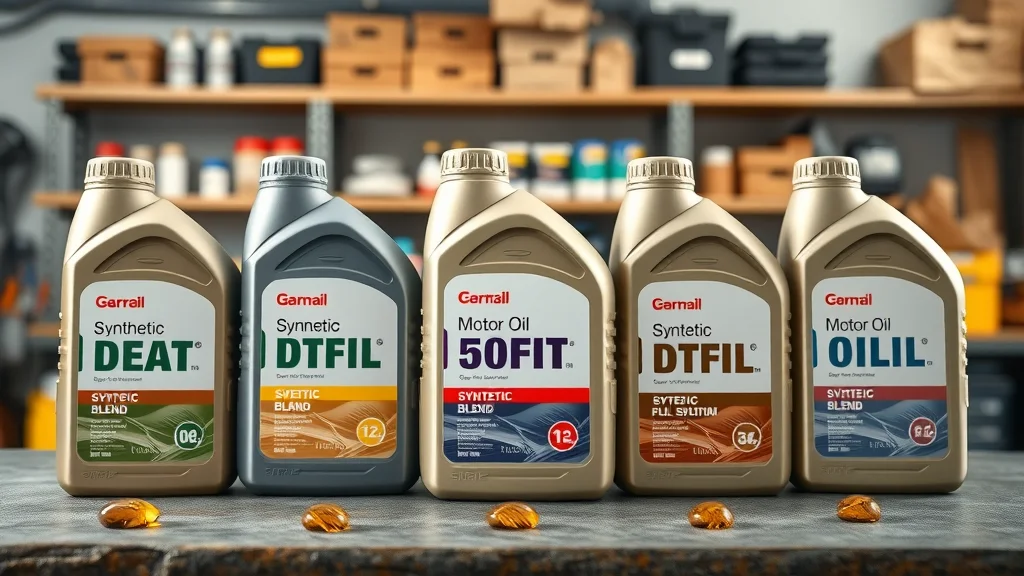
Conventional vs Synthetic Motor Oil: Changing Oil Recommendations
Conventional oil was the standard for decades, but today, synthetic oil and synthetic blends have revolutionized how often you need to change your oil. Conventional oil, while effective, breaks down faster and is more prone to sludge formation—especially in older cars or those often used for short trips. As a result, conventional oil usually requires changing every 3,000–5,000 miles. Meanwhile, synthetic blend oils allow for longer intervals due to their enhanced resistance to oxidation and breakdown, making them suitable for 5,000–7,500 mile intervals in mixed driving conditions and newer car models.
Full synthetic oil is engineered to withstand extreme temperatures and driving conditions, offering a far superior oil life and the ability to protect engines across a wider spectrum of high-mileage and modern vehicles. With full synthetics, oil change intervals can often stretch between 7,500 and 10,000 miles, or even beyond for certain engines under mostly highway conditions. But always consult your owner’s manual and consider how your own driving habits may impact these recommendations. Using the right motor oil type for your car is crucial for maximizing your change interval and avoiding unnecessary visits to the mechanic.
How Your Oil Filter Affects Oil Change Intervals
The performance of your oil filter is directly tied to the chosen oil change interval. A high-quality oil filter efficiently traps debris and contaminants, ensuring the engine oil remains clean for longer. Conversely, a clogged or low-grade oil filter may shorten the effective change interval—no matter how advanced your oil is. Whenever you change oil, always replace the oil filter as well. This practice is crucial for protecting engine components by reducing wear and extending both oil and engine life.
Choosing the right oil filter becomes even more important in high-mileage vehicles or in cars subjected to extreme driving conditions. An older car with a buildup of internal contaminants relies even more on a quality filter. In all cases, following a comprehensive maintenance schedule that accounts for both oil and filter life ensures your engine gets the best protection possible and keeps performance at its peak.
Manufacturer Recommendations vs Traditional Advice on Oil Change Intervals
Are 3,000-Mile Oil Change Intervals Still Relevant?
The classic 3,000-mile oil change interval was necessary back when most engines ran on conventional oil and filter technologies were less effective. Today, thanks to advanced synthetic oils, modern engine designs, and better oil filtration systems, following a strict 3,000-mile schedule is unnecessary for most drivers. Automakers and automotive experts agree that, unless you drive an older car, experience heavy stop-and-go traffic, or frequently drive in severe conditions, this outdated change interval is simply overkill for modern vehicles.
For cars built since the mid-2000s, many owner’s manuals specify oil change intervals of 5,000, 7,500, or even 10,000 miles—especially when using synthetic oil. Sticking to the old advice might give you peace of mind but won’t offer substantial added protection and could actually lead you to spend more on unnecessary oil changes. Instead, adopt your manufacturer’s recommendations and adjust for your unique driving habits and climate, always keeping an eye on your vehicle’s oil life monitoring system if equipped.
Decoding Owner’s Manual Guidance for Oil Change

Unlocking the truth about oil change intervals starts with your vehicle owner’s manual. Rather than relying on a generic sticker left by your mechanic, the owner’s manual outlines the recommended oil type, grade, and change intervals for your exact vehicle model. These guidelines are based on extensive testing under both normal and severe driving conditions, offering advice tailored to your engine’s design and oil system.
Owner’s manuals will often provide two sets of recommendations: one for “normal” driving and one for “severe” driving. Severe driving includes frequent short trips, prolonged idling, stop-and-go traffic, towing, or extreme temperature exposure. If your driving conditions fit these severe categories, it may be wise to lean toward the shorter change interval listed. However, for predominantly highway use in a newer car and with top-grade synthetic oil, the longer interval is typically safe—and recommended. Always use your owner’s manual as your go-to resource on proper oil maintenance.
Critical Factors Influencing Oil Change Intervals
Driving Conditions and Personalized Oil Change Intervals
Not all miles are created equal when it comes to determining your oil change interval. Driving conditions play a massive role. If your routine involves frequent short trips, lots of idling, city driving with heavy traffic, or towing heavy loads, your motor oil is exposed to more contaminants and harsher operating conditions. In these scenarios, your engine struggles to reach and maintain optimal temperature, causing more rapid oil degradation—and potentially necessitating a shorter change interval.
Conversely, long highway drives at steady speeds are less stressful on both oil and engine. Under these circumstances, a longer oil change interval is acceptable, particularly if you use full synthetic oil. Every driver’s habits are unique, so pay close attention to your own driving habits and adapt your maintenance schedule to best suit those conditions, using the guidelines in your owner’s manual as a baseline.
Vehicle Age, Engine Design, and Oil Change Interval Recommendations
Vehicle age and engine design are additional keys to determining the safest oil change intervals for your car. Newer cars are typically equipped with more advanced engine technology—think tighter tolerances, direct injection, and turbochargers—that allow for longer intervals and increased oil life, especially with synthetic oil. These engines also tend to have sensors and monitors to alert you when it’s time to change oil, making the guesswork easier.
On the other hand, older cars may suffer from accumulated internal deposits, increased blow-by, or less efficient oil filtration. These factors shorten oil and filter life, meaning that sticking closer to traditional change intervals is more prudent. No matter your car’s age, checking the oil level regularly and keeping a close eye on oil color, clarity, and smell can offer early warnings—allowing you to change oil before issues arise.
Oil Change Intervals Table: At-a-Glance Quick Reference
| Motor Oil Type | Typical Interval | Notes |
|---|---|---|
| Conventional | 3,000-5,000 miles | Older vehicles, short trips |
| Synthetic Blend | 5,000-7,500 miles | Mixed driving, newer vehicles |
| Full Synthetic | 7,500-10,000+ miles | Mostly highway, modern engines |
Signs You May Need to Change Your Oil – Beyond the Sticker

- Engine knocking or increased noise: This could indicate your engine oil has lost its protective qualities and components are rubbing together.
- Dark or gritty motor oil on the dipstick: Fresh oil is golden and translucent, while used oil turns dark and may feel rough to the touch.
- Decreased fuel efficiency: If you notice gas mileage dropping, dirty engine oil could be to blame.
- Oil change warning light or maintenance reminder: Modern vehicles are equipped with reminders based on your oil life and driving habits—ignore these at your own risk.
- Strong oil smell inside the cabin: This is a sign of possible leaks or oil burning, requiring immediate attention and possibly a premature oil change.
How to Change Your Oil and Oil Filter Safely
Step-by-Step Guide for Changing Oil
- Gather required tools and safety equipment: You’ll need the right engine oil, an oil filter, a wrench, oil catch pan, gloves, and safety glasses.
- Drain the old engine oil according to manufacturer’s guidance: Warm up the engine briefly, park on a level surface, unscrew the drain plug, and let the oil flow out completely into your pan.
- Install a new oil filter: Remove the old filter, lubricate the new one’s gasket with a bit of fresh oil, then install by hand—tight but not over-tightened.
- Add appropriate type and amount of motor oil: Follow your vehicle’s manual for oil type and capacity. Pour new oil using a funnel, then check the oil level with the dipstick to ensure it meets the mark.
- Reset oil change interval indicator if necessary: Many newer cars have electronic indicators—reset this through your car’s settings or as described in the manual.
Taking proper safety precautions and following each step carefully can ensure you keep your engine healthy without relying solely on your mechanic or a dealership.
Visual Tutorial: Changing Your Oil and Oil Filter at Home
Debunking Myths: Expert Opinions on Oil Change Intervals

"While the 3,000-mile interval used to be standard, advancements in motor oil and engine technology now allow safe intervals far beyond that for most vehicles." — Certified Automotive Technician
Many myths persist despite the advancements in both engine technology and motor oil formulations. One persistent misconception is that more frequent oil changes are always better. In truth, unless you routinely drive under extreme conditions, this can lead to unnecessary waste and expense. The industry consensus is shifting toward longer intervals, mainly thanks to synthetic oil and better filtration technologies.
Listening to both expert mechanics and following your owner’s manual’s guidance will keep your engine in top shape—without overspending. If you’re ever uncertain, check the oil quality and your car’s built-in oil life monitor. Most drivers, especially with newer vehicles and synthetic oils, will find that stretching oil change intervals is both safe and encouraged by manufacturers and experts alike.
People Also Ask: Essential Oil Change Interval Questions
How often do I really need to change my oil?

Answer
Your oil change interval depends on the type of oil your car uses, the age of your vehicle, your driving conditions, and manufacturer recommendations. For most modern cars with synthetic oil, intervals from 7,500 to 10,000 miles are common. Older cars or those using conventional oil often require an oil change every 3,000 to 5,000 miles. Always check your owner’s manual and adapt to your personal driving habits.
Can you go 10,000 miles with synthetic oil?
Answer
Yes, many full synthetic oils are designed to last up to 10,000 miles or even longer in modern engines under normal driving conditions. However, it’s crucial to monitor oil quality, engine performance, and to check oil level regularly. Use your car’s oil life monitor or refer to the owner’s manual for the most accurate oil change interval for your vehicle.
What is the best interval to change engine oil?
Answer
The best interval varies by engine design, oil type, vehicle age, and driving habits. Generally, conventional oil should be changed every 3,000–5,000 miles, while synthetic blends stretch to 5,000–7,500 miles, and full synthetics often to 7,500–10,000 miles. When in doubt, consult your owner’s manual for the recommended oil change interval and adjust for severe conditions if needed.
How often should you change from oil?
Answer
Switching from one oil type to another—such as moving from conventional to synthetic—should follow the same interval guidelines recommended for the new oil type. After switching, monitor engine response and oil level closely, and always use a new filter during every oil change to ensure the best protection for your engine.
Oil Change Intervals Explained: Industry Expert Insights
Frequently Asked Questions About Oil Change Intervals
- Does idling your car frequently impact oil change intervals? Yes, excessive idling degrades engine oil faster and may require a shorter change interval, especially in older vehicles or under hot weather conditions.
- What happens if you go too long without an oil change? Skipping oil changes leads to thick, dirty oil that can cause engine wear, decreased performance, and even costly repairs due to sludge and internal damage.
- Is the oil change interval different for high-mileage cars? High-mileage vehicles may need more frequent oil changes and should use oils formulated for older engines, especially if you notice oil loss or performance issues.
- Can smartphone apps help track oil change intervals? Yes, many automotive maintenance apps can help you track your service interval, set reminders, and log each oil change for optimal engine care.
- How do diesel engine oil change intervals differ? Diesel engines often run longer between oil changes due to their robust oil formulations, but heavy-duty use or towing can reduce the interval—consult your manual for specifics.

Main Takeaways on Oil Change Intervals
- Follow your vehicle's recommended oil change interval—not just outdated advice
- Oil type, engine design, and driving habits directly affect safe oil change intervals
- Watch for warning signs between intervals and consult your owner’s manual
- Synthetics often allow longer oil change intervals, but every engine is unique
Ready to Take Charge of Your Oil Change Intervals?
Empower yourself with knowledge—review your manual, monitor your oil, and schedule oil changes based on facts, not just tradition.
Understanding how oil change intervals interact with other engine components can also help you prevent unexpected issues. For example, learning about the relationship between oil changes, valve timing systems, and check engine lights can provide valuable insight into maintaining your vehicle’s overall health. Explore more on how VVT solenoids and oil changes affect your check engine light in this detailed guide: how VVT solenoids, valve covers, and oil changes impact your check engine light.
If you’re ready to take your car maintenance knowledge to the next level, consider uncovering additional strategies that go beyond oil changes. From negotiating with your mechanic to understanding hidden service costs, there are proven ways to save big on routine maintenance and unexpected repairs. Discover 12 essential car repair secrets that could help you save over $2,500 a year and empower you to make smarter decisions every time you visit the shop by reading these expert car repair savings tips. Your wallet—and your vehicle—will thank you for it.
Understanding the optimal oil change intervals for your vehicle is crucial for maintaining engine health and efficiency. The traditional 3,000-mile rule has become outdated due to advancements in engine technology and oil formulations. Modern vehicles, especially those using full synthetic oils, often have recommended intervals between 7,500 and 10,000 miles. However, factors such as driving conditions, oil type, and manufacturer guidelines can influence these intervals. For a comprehensive understanding of how often you should change your oil, including insights into oil types and the impact of driving habits, consider reading the article “How Often Should You Change Your Oil?” on Georgia Fuel & Treats. This resource provides detailed information tailored to various driving scenarios and vehicle specifications. Additionally, the “Oil Change Guide: Intervals, Oil Types, and What the Monitor Actually Means” by Bumper offers valuable insights into modern oil change practices, debunking common myths and explaining the role of oil life monitors in determining service intervals. By consulting these resources, you can make informed decisions about your vehicle’s maintenance schedule, ensuring optimal performance and longevity.



Write A Comment