

Discover how expert-approved vehicle maintanence can save you from unexpected repair bills, keep your car running smoothly, and give you peace of mind every time you hit the road. Let’s unlock the practical steps and insights you need for safe, worry-free driving—no matter your experience level.
Unlocking the Secrets of Vehicle Maintenance
Vehicle maintenance isn't just about keeping your car looking good; it's a fundamental practice that saves money and keeps you safe. The main goal of vehicle maintenance is to prevent breakdowns and expensive emergency repairs by addressing small problems before they escalate. By building simple, smart routines into your driving life, you can extend your car’s lifespan and help avoid the hassle of roadside issues.
In this guide, you'll learn the most important vehicle maintenance checks every driver should know, how preventive care protects both your vehicle and your wallet, and the best expert-recommended schedule to keep your ride at peak performance. With informed steps and consistent habits, you’ll spend less time worrying about costly repairs and more time enjoying the freedom of the open road.
What You'll Learn
Essential vehicle maintenance checks every driver should know
How preventive vehicle maintenance can save money and enhance safety
The expert-approved vehicle maintenance schedule for long-lasting performance

Understanding Vehicle Maintenance: Fundamentals Every Owner Needs
What is vehicle maintenance?
"Effective vehicle maintenance begins with understanding your car’s specific needs and being proactive about care. " — Automotive Expert
Vehicle maintenance refers to regular inspections, servicing, and part replacements to keep a car safe and running efficiently. This includes everything from oil changes to tire rotations, plus checks of air filters and fluids. Adopting a maintenance mindset means you’ll catch minor issues before they become major repairs, protecting both your vehicle and your budget from surprises.
Consistent vehicle maintenance isn’t just for car enthusiasts; it’s essential for anyone who wants long-term, reliable use. Even if you aren’t mechanically inclined, understanding the basics helps you make informed decisions and communicate effectively with service professionals.
Why Does Routine Vehicle Maintenance Matter?
Prevents costly repairs down the road
Improves vehicle safety
Prolongs the life of your car
Supports optimal fuel efficiency
Sticking to a routine vehicle maintenance schedule isn't just about avoiding breakdowns. It's vital for keeping you and your passengers safe, as a well-maintained vehicle responds better in emergencies. Regular maintenance also improves fuel economy, helping you save money at the pump. By taking a proactive approach, you reduce stress, maximize your investment, and help keep everyone on the road safe.
For drivers interested in how maintenance habits affect the long-term reliability of specific brands, it’s worth exploring recent automotive market trends. For example, Hyundai and Kia have made notable strides in reliability, with many owners reporting improved trust thanks to consistent upkeep and evolving manufacturer standards.
The Essential Vehicle Maintenance Checklist
What maintenance should be done on a vehicle?
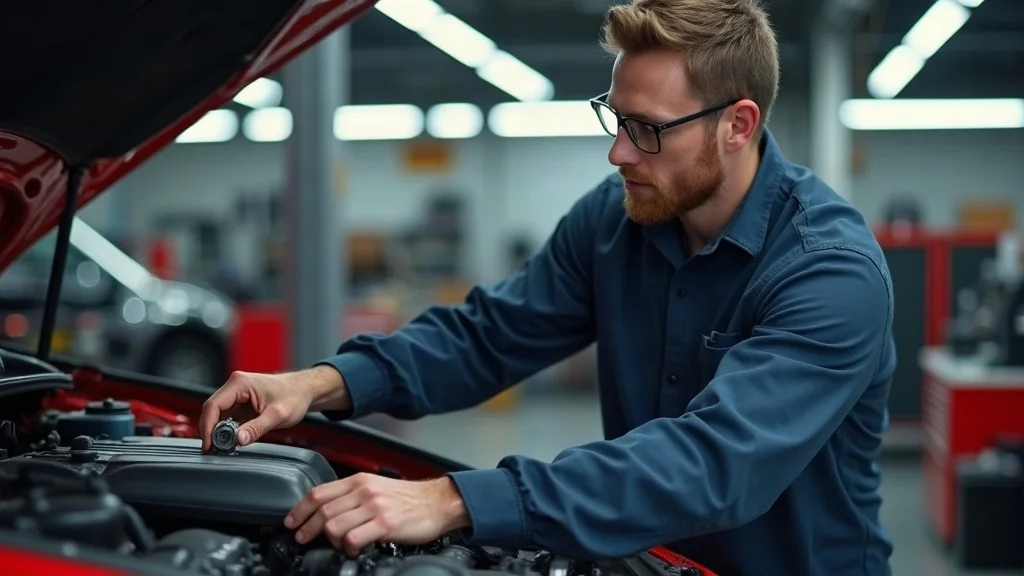
Check and change engine oil regularly
Inspect and replace air filters
Test brakes and brake fluid
Rotate tires and check their pressure
Review lights and electrical systems
Examine belts, hoses, and battery health
"A simple inspection each month can catch issues early and keep your vehicle running smoothly. " — Service Technician
Staying on top of these essential tasks can prevent most common sources of expensive repairs. For instance, driving with dirty oil or worn-out brakes not only endangers your safety but also leads to bigger, more costly issues. Prioritize these maintenance checks to keep your vehicle running at its best, and don’t hesitate to seek professional help if something feels off.
Demystifying the $3000 Rule for Cars
What is the $3000 rule for cars?
Explains how the $3000 rule influences repair-or-replace decisions
Assesses when to invest in repairs versus shopping for a new vehicle
Applies the $3000 rule to real-world vehicle maintenance scenarios
The $3000 rule is a practical guideline for car owners: if a repair will cost more than $3000—or roughly the current value of your car—it may be smarter to invest that money in a newer vehicle instead of continuing costly repairs. This rule helps prevent you from pouring cash into aging vehicles when reliability and safety are diminishing.
Applying the $3000 rule can clarify stressful choices, especially as cars age or develop major problems. Always weigh the cost of a single repair against your vehicle's long-term safety, reliability, and efficiency. If the investment exceeds the car’s actual worth, it may be time to shop for something newer or more dependable. Regular vehicle maintenance reduces the odds you’ll ever face such a daunting “fix or replace” decision.

Creating an Effective Vehicle Maintenance Schedule
What maintenance is required on a vehicle?
Maintenance Task |
Recommended Frequency |
Signs You Need Service |
|---|---|---|
Oil change |
Every 5,000–7,500 miles |
Engine noise or oil warning light |
Tire rotation |
Every 6,000–8,000 miles |
Uneven tire wear |
Brake inspection |
Annually |
Squealing or slow stopping |
Battery check |
Twice a year |
Dim lights or slow engine start |
Creating and following a regular vehicle maintenance schedule based on your mileage and driving habits is the best way to protect your investment. If you notice signs from the table above, it’s time to act—don’t wait for a small symptom to become a major problem. Most modern vehicles also have dashboard reminders or in-app tracker systems that can automatically alert you when service is needed.

Expert Tips for Proactive Vehicle Maintenance
Keep track of service history
Pay attention to dashboard warning lights
Use quality fluids and replacement parts
Consult your owner's manual for specifics
Staying proactive with vehicle maintenance pays off. Always log every service in your maintenance record—this helps you track what’s due and can prove valuable if you ever sell your car. Don’t ignore dashboard warning lights; they are your first alert to emerging issues. Choose top-quality fluids and original or high-standard replacement parts to ensure reliability. Finally, consult your car’s owner’s manual for recommendations tailored to your make and model.
These simple habits shield you from unexpected breakdowns and help you catch minor problems before they become expensive emergencies. If in doubt, schedule a professional inspection—no question or concern is too small when your safety and savings are on the line.

People Also Ask
What is vehicle maintenance?
Answer
Vehicle maintenance is a set of regular inspections, servicing, and scheduled replacements such as oil changes, tire rotations, and filter swaps that keep your car running safely and reliably. Consistent, preventive maintenance helps catch small issues early, reducing the chance of expensive breakdowns and keeping your car on the road longer.
What maintenance should be done on a vehicle?
Answer
Every vehicle needs routine maintenance, including engine oil changes, air filter inspections, brake and fluid checks, tire rotation, and ensuring all lights and electrical systems are fully functional. Regularly inspect belts, hoses, and the battery for signs of wear, and never skip scheduled appointments—these checks are key to safe, economical driving.
What is the $3000 rule for cars?
Answer
The $3000 rule suggests that if a car repair will cost more than $3000 (or your car's current value), it may be wiser to replace your vehicle rather than invest in expensive repairs. This guideline helps protect you from spending more than your car is worth, so you can make practical choices for your budget and future vehicle needs.
What maintenance is required on a vehicle?
Answer
Required vehicle maintenance includes regular engine oil changes, tire rotations, brake inspections, and battery checks, along with air filter and fluid replacements based on manufacturer recommendations. These steps help keep your vehicle reliable, efficient, and safe for the long haul.
Frequently Asked Questions on Vehicle Maintenance
How can I stay on top of routine vehicle maintanence?
The easiest way is to follow a written or digital maintenance schedule, use reminder apps, and check your owner’s manual for date and mileage-based service intervals.Are there vehicle maintanence tasks I can handle myself?
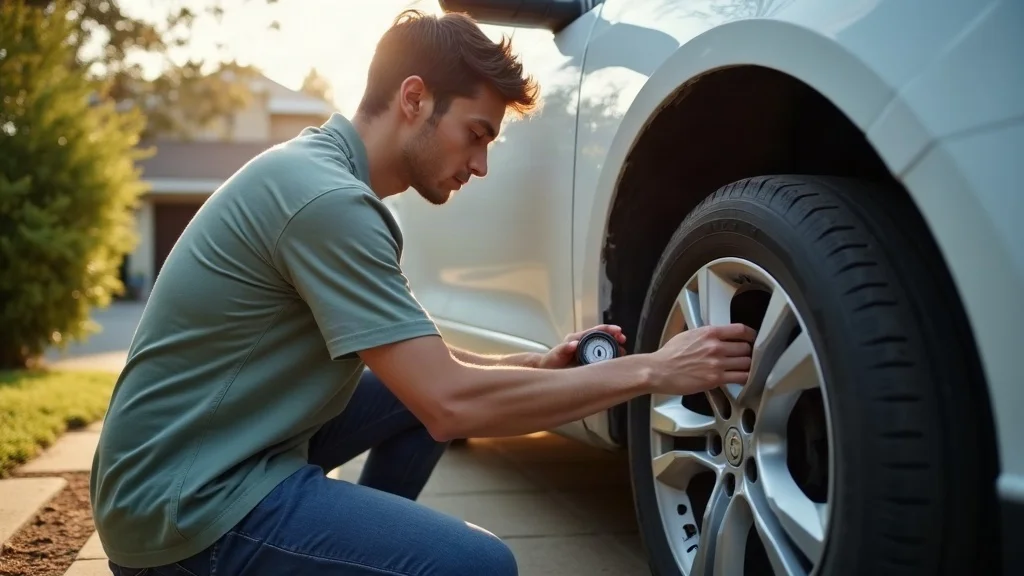
Yes! You can handle many tasks at home, like checking tire pressure, monitoring fluid levels, and replacing wiper blades, filters, or bulbs, with basic tools and some guidance.When should I consult a professional for vehicle maintanence?
If you notice persistent warning lights, unusual noises, or issues beyond your comfort level, contact a certified technician for expert diagnosis and repairs.
Key Takeaways from Smart Vehicle Maintenance
Consistent vehicle maintanence prevents expensive breakdowns
A proactive approach extends your vehicle’s lifespan
Expert guidance ensures you follow safe and effective routines
Maintain Peace of Mind with Smart Vehicle Maintenance
"Your diligence today is your savings tomorrow. Stay ahead with regular vehicle maintanence."
Ready to keep your vehicle running safely and efficiently? Schedule your next vehicle maintennace check with a trusted technician today.
As you refine your vehicle maintenance habits, consider how these routines can affect your confidence in the brands you drive. If you’re curious about how reliability perceptions are shifting in the automotive world, especially for popular makes like Hyundai and Kia, you’ll find valuable insights in our in-depth analysis of whether Hyundai and Kia cars are gaining trust again among buyers. Exploring these trends can help you make smarter decisions for your next vehicle purchase and ensure your maintenance efforts truly pay off in the long run.
How to perform basic vehicle maintenance checks at home: Step-by-step demonstration of checking oil level, tire pressure, and lights.
To further enhance your vehicle maintenance knowledge, consider exploring these authoritative resources:
This comprehensive guide delves into essential maintenance tasks such as oil changes, tire rotations, and brake inspections, offering expert advice to help you prevent costly repairs and extend your vehicle’s lifespan.
This resource provides a detailed maintenance schedule, emphasizing the importance of adhering to regular service intervals to ensure optimal vehicle performance and safety.
By consulting these resources, you can gain valuable insights into effective vehicle maintenance practices, helping you avoid unexpected repair costs and keep your car in prime condition.



Write A Comment